
Why Did Vatican II Declare Religious Freedom?
Prior to Vatican II (1965) the Church was committed to religious tolerance. Vatican II changed the situation by declaring religious freedom. Since that development there

Prior to Vatican II (1965) the Church was committed to religious tolerance. Vatican II changed the situation by declaring religious freedom. Since that development there
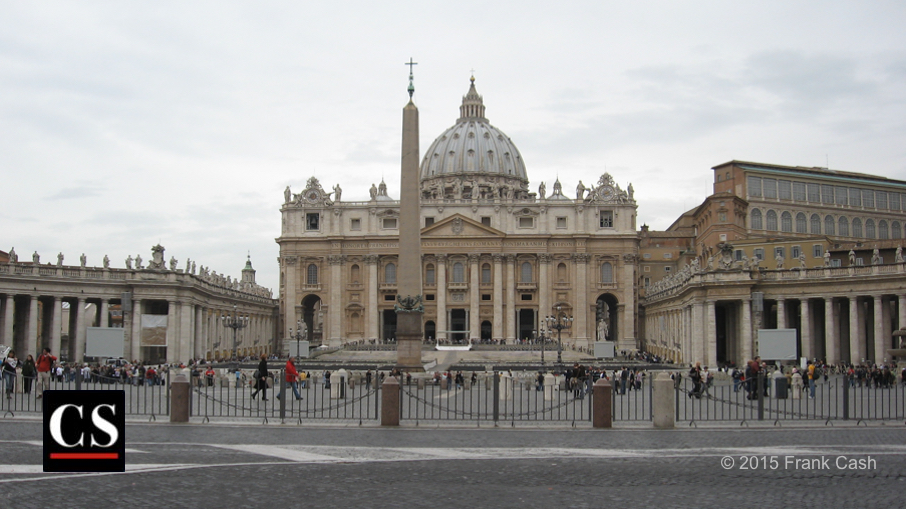
In 1965 Vatican II promulgated Dignitatis Humanae, which declared in favor of the idea of religious freedom. Ever since then, the language of religious tolerance
In 1864, Pope Pius IX published the encyclical Quanta Cura and an accompanying Syllabus of Errors, which rejected religious freedom. In 1965 Vatican II published

In 1832 Pope Gregory XVI published the encyclical Mirari Vos, which rejected religious freedom. In 1965 Vatican II published Dignitatis Humanae, which accepted religious freedom.
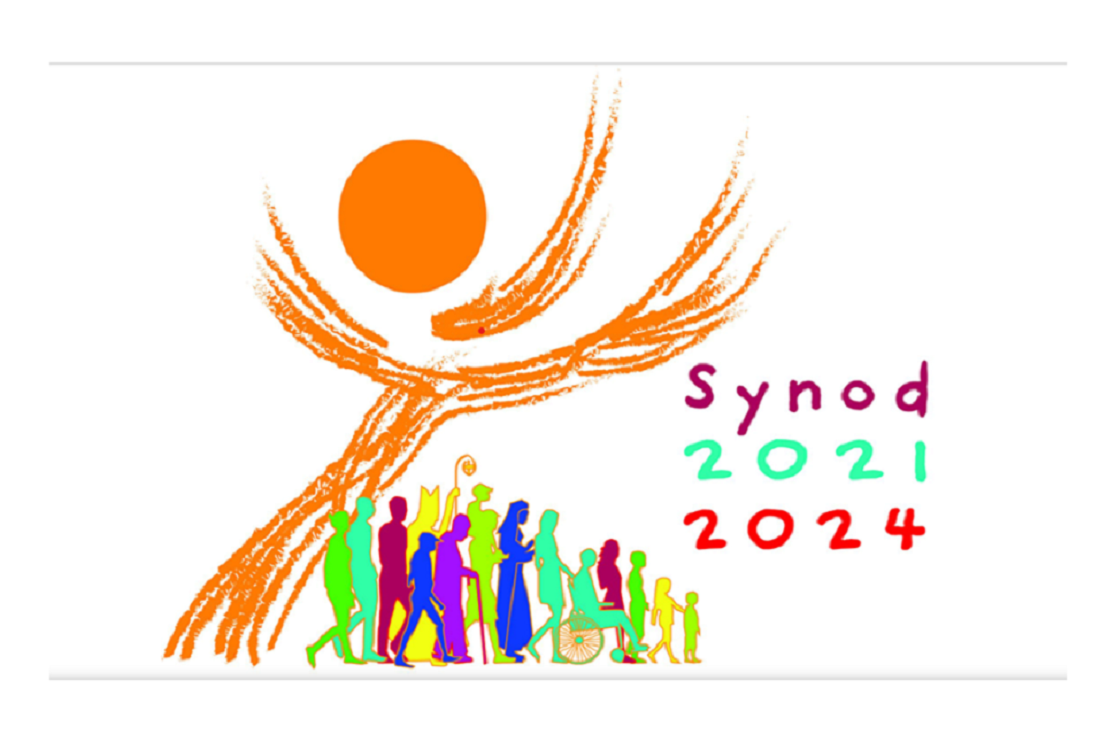
All of this ‘Synodality’ nonsense really needs to stop. I pray that the Holy Spirit will grant Pope Leo the wisdom to realize this. Anyone
In 1888 Pope Leo XIII wrote an encyclical about Freedom called Libertas. He did so because he considered society to have a “false and absurd”
It is sometimes said that Vatican II committed itself to the Modernist view that revelation is an inner experience. For example, one commentator has claimed:
In 1864 Pope Pius IX rejected the view that: the Church ought to be separated from the State. (Syllabus of Errors 55) In 1965 Vatican
In 1907 Pope Pius X condemned the Modernist claim that Revelation… was not completed [completa] with the Apostles. (Lamentabili Sane 21) The positive content of
Some years ago, an Ecumenical Council met at St. Peter’s Basilica, in the Vatican. It made decisions which some members of the Church could not

At Mt. St. John’s Academy in 1965, my Kindergarten classmates and I sang, “Sanctus, sanctus, sanctus.” Our teacher, Sr. Luigia, had taught us the Latin
When theologians talk about a sensus plenior they are referring to a fuller sense of Scripture, which is a sense which goes beyond the literal
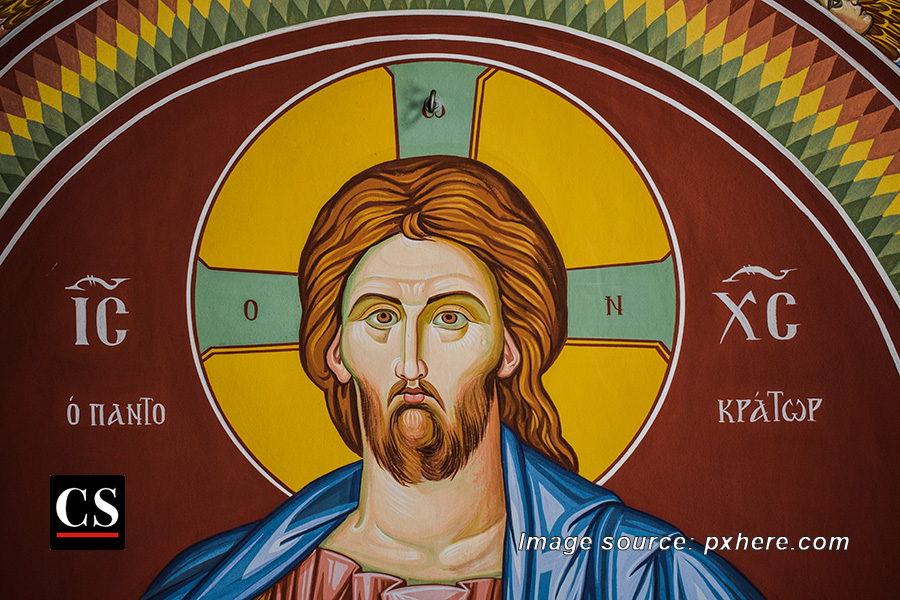
For centuries every Catholic knew that Catholicism was the one true faith. They also knew that non-Catholics would probably end up in hell when they
Some people believe that Vatican II was a pastoral council, therefore it must have taught no doctrine. That view leads to comments, such as: Vatican
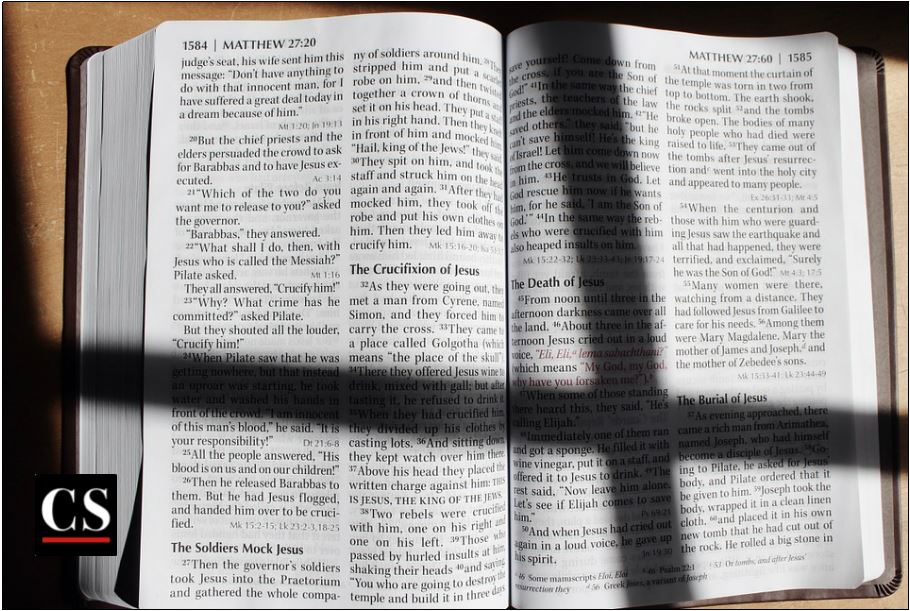
The Historical-Critical Method is an approach to Biblical interpretation which some view as an expression of the Modernist heresy. They say: There is no question
The Vatican website contains English translations of the documents of Vatican II. However, there are a number of problems in those translations. The problems extend
When Christians talk of two sources of Revelation, they are typically referring to Scripture and Tradition. People sometimes say that Vatican II rejected the idea

Natural theology is the use of human reason to draw conclusions about God. It is typically contrasted with revelation which appeals to Scripture. Thomas Aquinas

There is a perception that: The history of the modern Neo-Thomist movement… reached its end at the Second Vatican Council. (From Unity to Pluralism, p.
Some people say that: the Modernist heresy triumphed over eternal Rome at Vatican II. (One Hundred Years of Modernism) Comments like that raise a question
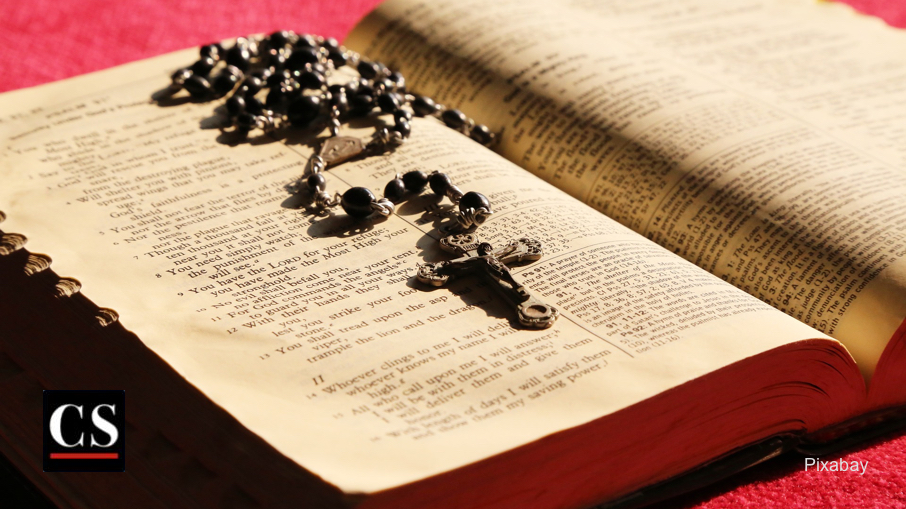
One of the ancient beliefs of the Church is that the Bible is inerrant. That means, as St. Augustine (d. 430) put it, the Bible
There is a perception that Vatican II erred by accepting a previously condemned version of liberalism. For example, Marcel Lefebvre (d. 1991) even entitled a
Indifferentism is the belief that God is indifferent to religious differences. It is the view that it does not matter what religion people follow, as
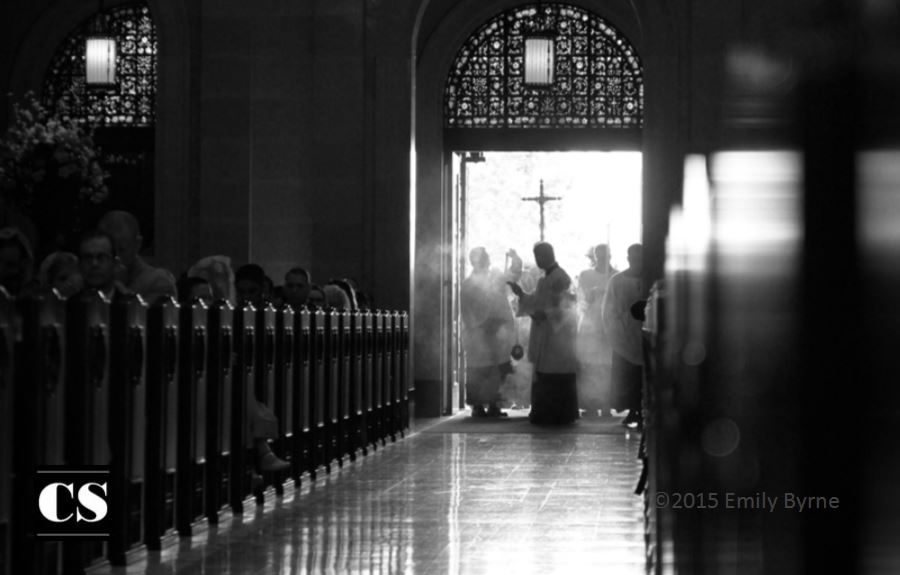
The Second Vatican Council called for “active participation” in the Liturgy in its Constitution on the Sacred Liturgy (i.e., Sacrosanctum Concilium, 1963). What exactly the
