
Part I– In every age, the eternal invitation resounds: we are called to be saints.
Part II
Seven Virtues That Shape the Path to Holiness
To walk the path of holiness is to respond wholeheartedly to the call, “We are called to be saints.” The saints who have gone before us blazed a trail marked by virtues—habits of heart and will that conform us more perfectly to Christ. The Church’s wisdom gives us the classical Seven Virtues: the four cardinal virtues and the three theological virtues. Together, they form the foundation for growth in sanctity.
Prudence
Prudence is the virtue that guides our actions by right reason. It empowers us to discern the good and choose the proper means to attain it, especially when the way is unclear. The saints never acted recklessly, but made prayerful, thoughtful decisions rooted in God’s will.
Justice
Justice compels us to give to God and to others what is rightfully theirs. It moves us beyond selfishness into genuine charity, defending the dignity of all. In their ministries, the saints showed unwavering resolve to defend the poor, the outcast, and the vulnerable.
Fortitude
Fortitude gives us the courage to persevere in doing good, even in the face of suffering, trial, or ridicule. The martyrs bore terrible hardships, sustained by fortitude and proclaiming the truth with unwavering faith.
Temperance
Temperance helps us moderate our desires and use the gifts of this world rightly. The lives of the saints are marked by self-mastery, fasting, and self-denial, always in pursuit of a greater love.
Faith
Faith is our radical trust in God’s promises. It anchors us in mystery and allows us to walk by the light of Christ, even in darkness. The saints teach us to rely on God even when we do not fully understand His ways.
Hope
Hope lifts our hearts to long for eternal life and the grace to reach it. It enables us to look beyond the present moment, trusting that God is leading us home. When discouragement pressed in, the saints looked to heaven.
Charity (Love)
Charity is the highest virtue, the bond of perfection. It enables us to love God above all things and our neighbor as ourselves. Every saint’s story testifies to the power of love—love for God expressed in prayer and sacrifice, and love for neighbor revealed through service and compassion.
Embracing these virtues, strengthened by God’s grace and the example of the saints, we begin to live out the truth that we are called to be saints. These virtues shape our daily pilgrimage, forming the heart and soul along the journey toward holiness.
Living the Beatitudes in Modern Society
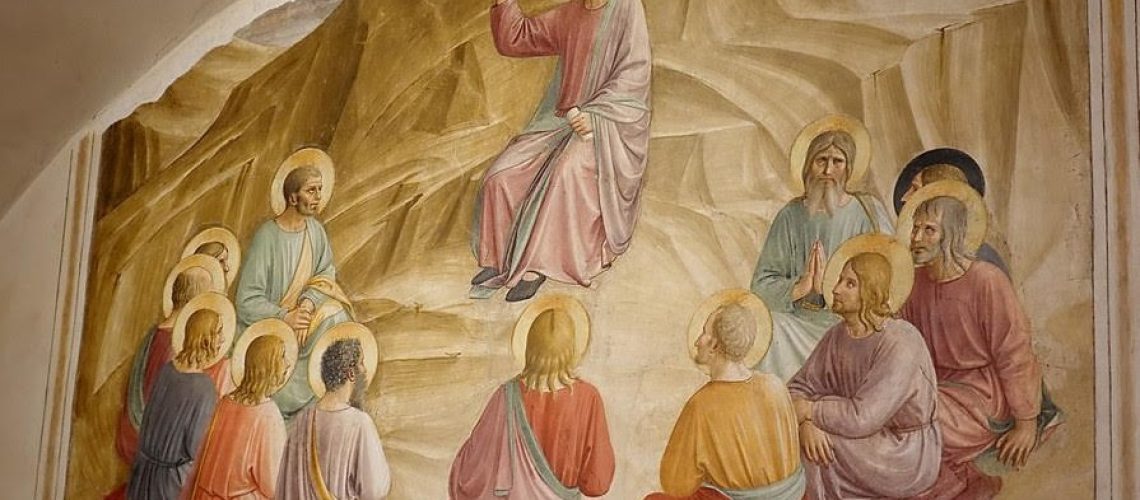
Christ’s Sermon on the Mount stands as a timeless invitation, calling every Christian heart to embrace the Beatitudes as a blueprint for holiness. Though spoken over two millennia ago, these sacred teachings remain strikingly relevant for those striving to answer the call—we are called to be saints—even amid the complexities of modern life.
To be “poor in spirit” today means cultivating humility in an age of self-promotion and achievement. It is recognizing that our true riches lie not in material success but in our dependence on God’s grace. In a world marked by self-reliance and pride, surrendering to this divine poverty becomes a radical witness of faith.
The call to “mourn” finds meaning not only in personal sorrow, but in compassionate response to the suffering of others. The Beatitudes invite us to weep with those who mourn, to be present to the brokenhearted, and to bear one another’s burdens as a living sign of Christ’s mercy.
Meekness is countercultural. In a society that prizes assertiveness and victory, the gentle and patient who refuse retaliation or revenge reveal the quiet strength of the Lord. It is through this meekness that one inherits the earth—not through domination, but through charity.
Hungering and thirsting for righteousness calls for active engagement with justice and truth. It means striving daily to live with integrity, defend the vulnerable, and shape our families, workplaces, and communities according to the Gospel.
The merciful extend forgiveness where the world might counsel resentment. They choose healing over harm, embodying Christ’s promise: “Blessed are the merciful, for they shall obtain mercy.”
Purity of heart becomes the compass that directs every thought, action, and intention toward God, undivided by distractions or lesser loves. In a culture of endless temptations, the pure of heart seek the face of Christ above all else.
Finally, peacemakers are urgently needed. In homes, neighborhoods, and nations divided by strife and misunderstanding, those who foster reconciliation, speak truth with love, and reach across boundaries are truly called children of God.
Each Beatitude is a stepping stone along the path toward sainthood. Rooted in prayer, lived in community, and expressed through concrete acts of faith, they challenge and inspire us to reflect Christ’s holiness in every aspect of daily life.
Love of God and Neighbor: The Heart of Sainthood
To walk the path of sainthood is, above all, to answer the twofold commandment on which “hang all the law and the prophets” (Matthew 22:40): to love God with all our heart, soul, and mind, and to love our neighbor as ourselves. This is not merely a lofty ideal reserved for a few exceptional souls. It is the universal call at the heart of our Christian identity—a call echoing through the ages and inviting each of us to holiness.
The saints teach us that love of God cannot be separated from love of neighbor. Their lives reveal a deep union with Christ that overflows into radical charity. Whether caring for the sick, defending the marginalized, or quietly forgiving daily offenses, they understood that encountering Christ in prayer compels us to serve Him in others.
This “double flame” of love—fixed on heaven yet active on earth—blossoms in the humble rhythms of daily life. Holiness is not found in public acclaim or extraordinary deeds alone. It begins in small acts of forgiveness, a patient word to the weary, silent prayer before the Blessed Sacrament, and faithful obedience to God’s commandments. In choosing love, even when it is difficult, we become more like Christ—the true model of every saint.
In embracing this universal vocation, we discover the full meaning of the Gospel’s words: “We are called to be saints.” Sainthood is not distant or unattainable; it takes root in hearts open to God’s love and willing to pour it out for others. Every choice to love is a step deeper into the heart of Christ and into the mystery of holiness.
Conclusion: The First Steps Toward Sainthood Begin Now
As we reflect on the universal call to holiness, we remember that the journey toward sainthood is not reserved for a few, but is the vocation of every baptized soul. The saints themselves began with humble steps of faith, responding daily to the Lord’s invitation to seek Him above all else. At Journeys of Faith, we hold fast to the truth that we are called to be saints—not by our own merit, but by God’s unfathomable grace at work in both the ordinary and extraordinary moments of life.
Inspired by the enduring witness of Bob and Penny Lord and the countless holy men and women who have followed Christ, let us answer this call wholeheartedly—nourished by the sacraments, guided by Scripture, enriched by prayer, and strengthened by the communion of the Church. No matter one’s stage of life or spiritual experience, the road to holiness unfolds step by step through faithful perseverance.
We invite you to continue this pilgrimage with us—learning from the saints, encountering miracles both seen and unseen, and drawing ever closer to Christ. Together, may we live our mission: One Heart, One Mind, One Spirit, With One Vision—ever striving toward the holiness God desires for each of us.


[…] in Shock Over Murder of Young Convert & Pro-life Activist Quentin Deranque – The CWREmbracing the Universal Call to Holiness: Part II – Brother Joseph Freyaldenhoven at CSMAffluent White Female Liberals Are Living In A Made-Up […]