
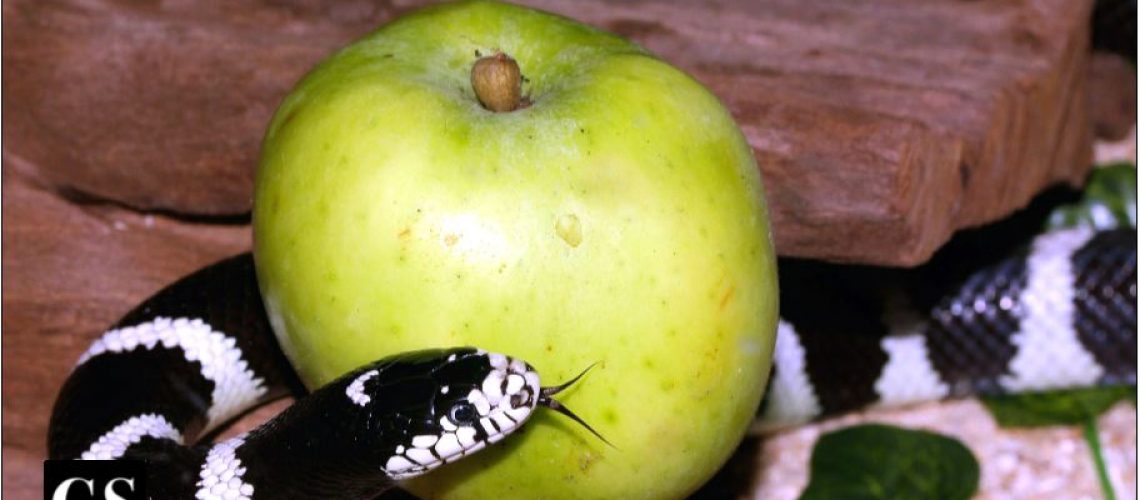
Most Catholics are familiar with the Seven Deadly Sins, also known as the Seven Capital Sins. These are those sins that engender all other sins, hence why they are called the capital sins — because they are at the head of all other sins. You can read more in my article HERE.
Much spiritual direction, writing, and discussion have surrounded how to combat these sins, and what virtues we ought to strive after that most oppose these sins. For example, those who struggle with pride ought to pray for the grace of humility and take steps to better live out this virtue.
At some point in one’s spiritual journey, as we seek to draw ever closer to the Lord, there will come a point where we recognize that, even if we have truly done battle with our sins, there is still deep, spiritual healing that must take place to thoroughly purify of us of the seven deadly sins.
The Doctor of the Church, St. John of the Cross, explains that there is a deeply spiritual component to these sins, that they can often hide in spiritual guises, and to move further along in the spiritual life, healing is required in these areas.
I want to do a quick survey, following St. John, diving deeper into these deadly sins to suggest where we might need to seek further healing and transformation from the Lord. All quotes from St. John of the Cross come from his work The Dark Night of the Soul as quoted in Ralph Martin’s excellent work, The Fulfillment of All Desire.
Pride
Pride is not simply having a bloated sense of self or putting oneself in the place of God. Even our desire for holiness and perfection can become a source of pride. Jesus tells us to be perfect (Mt. 5:48) and in striving after perfection, we might be tempted to discouragement when we fail to be perfect as our Father is perfect.
St. John writes,
Sometimes they minimize their faults, and at other times they become discouraged by them, since they felt they were already saints and they become impatient and angry with themselves, which is yet another fault.
While we must strive after moral perfection, our reason must be purely to please God. It is possible, however, that our desire for perfection and sanctity is more self-indulgent than it is a desire for the Lord.
St. John continues,
They are often extremely anxious that God remove their faults and imperfections, but their motive is personal peace rather than God. They fail to realize that were God to remove their faults they might very well become more proud and presumptuous.
We ought to consider the question, ‘Why do we want to be perfect?’ If for the sake of God and not for our own sake, then we ought to be humble in the face of our imperfections, patiently awaiting the Lord’s healing.
Envy
The sin of envy, for many, connotes an extreme form of greed — it is a desire for something that someone else has. While envy does include this, a more exact understanding of envy is sorrow at someone else’s good. Envy isn’t wanting your neighbor’s car; envy is being upset or frustrated that your neighbor has a car that you don’t have.
St John of the Cross shows that envy can exist in the spiritual life as well. He writes:
In regard to envy, many of them feel sad about the spiritual good of others and experience sensible grief in noting that their neighbor is ahead of them on the road to perfection, and they do not want to hear others praised. Learning of the virtues of others makes them sad. They cannot bear to hear others being praised without contradicting and undoing these compliments as much as possible.
These scathing words surely ring true. It really can hurt to see when someone else is closer to God, more spiritually mature, and receiving more praise for their goodness and success in the spiritual life. This hurt, despair, and frustration at another’s spiritual good is envy.
To combat this, we must be grateful for the spiritual blessings the Lord has bestowed upon us. We must also pray for the grace to see that another person’s spiritual good does not hurt us or take away from us, rather, it helps build up the Body of Christ and in so doing benefits us.
Avarice
Whereas envy tends to focus on the person who has something we wish we had, avarice or greed focuses on the coveting of that good itself. It might come as a surprise, but it is indeed possible to be greedy of spiritual goods as well.
Whether is always seeking more spiritual advice, or the newest edition of a theological tome, or perhaps simply another icon to place in a room — spiritual avarice is an inordinate desire for spiritual goods and the seeking of spiritual consolation in these things rather than in God.
St. John of the Cross writes of those enraptured by spiritual avarice, “They weigh themselves down with over-decorated images and rosaries… they prefer one cross to another because of its elaborateness.”
I, for one, can see this sinful inclination in my own life and recognize how tempting it is because these prayerful and holy objects are in fact good and helpful. Having good books and holy items is of course good (and sometimes necessary) for growth in the spiritual life. The temperate possession and desire for these items are not being discouraged, rather, St. John is pointing out that we can make idols out of anything, even holy things.
St. John explains that “true devotion comes from the heart and looks only to the truth and substance represented by spiritual objects” and we must remind ourselves of this frequently. The goal is not more images and rosaries, the goal is God. We do not need more spiritual things, we need more of Him.
Wrath
Just as it is easy to lose our tempers and become angry in sensible ways, such as being cut off in traffic, or when someone makes a mistake that causes us trouble, it is possible to become angry in our spiritual lives.
St. John of the Cross points out two main ways this can happen. We can become angry with others when we see them sinning and falling short of spiritual perfection. St. John says these people are “setting themselves up as lords of virtue” and much opposed the virtue of meekness.
Another way that the deadly sin of anger can take root in the spiritual life is in anger with ourselves. St. John writes,
Others in becoming aware of their own imperfections grow angry with themselves in an unhumble impatience… They want to become saints in a day… They make numerous plans and great resolutions, but since they are not humble and have no distrust of themselves, the more resolves they make the more they break, and the greater becomes their anger. They do not have the patience to wait until God gives them what they need, when he so desires.
Like in the antidote to pride, we must ask the Lord to give us patience as we strive for perfection in his holy time. Our moral perfection is for Him and not for our own peace or satisfaction. Anger in the face of our imperfections only further distances us from the Lord.
Lust
Even those who have mastered the virtue of chastity can still suffer from temptations to lust and sins of the flesh. In fact, St. John of the Cross points out that, though surprising, lustful temptations can commonly appear during prayer and spiritual exercises.
The reason for this can perhaps be seen in the strong connection between the spiritual and the sensory. We often experience joy and consolation in our spiritual practices in a sensible and emotional way. For those who don’t have strong enough control over the sensible reactions in the spiritual life, there is a greater possibility of experiencing these lustful desires and temptations.
St. John also points out that this is a tactic of the devil, to lead people away from prayer: “To make them cowardly and afraid, he brings vividly to their minds foul and impure thoughts…the devil excites these feelings while souls are at prayer, instead of when they are engaged in other works so that they might abandon prayer.”
Of course, it is necessary to resist the devil and be persistent in our prayers, precisely in the face of these temptations. The Lord will continue to purify these desires and raise them up to the pure charity that is of him.
Gluttony
Gluttony involves the excessive desire and consumption of food and drink. In the spiritual life, there can also be an overemphasis on the feelings that come from our prayer to the extent that the feelings, and not God, become our focus. Spiritual gluttony is the excessive desire for spiritual feelings rather than God himself. It is possible that our spiritual readings, prayer, fasting, almsgiving, and ministry activity become more about making us feel good than being about the Lord and his will.
Of spiritual gluttons, St. John says, “Their only yearning and satisfaction is to do what they feel inclined to do… They think that gratifying and satisfying themselves is serving and satisfying God.”
It is very dangerous to assume that the pious and holy things we want for ourselves are the same things the Lord wants for us. Are we setting aside an hour of spiritual reading in the morning because the Lord is calling us to do it, or because it feels good to us and is easier than starting the work of the day? Are we fasting three times a week because we’ve discerned the Lord is asking these sacrifices of us or because we like the physical benefits of fasting?
The best and most effective prayers and devotions will always be the specific ones the Lord is inviting us to do. The danger of spiritual gluttony is a good reminder to constantly and consistently ask God to confirm our spiritual practices are in alignment with his will.
Sloth
Sloth is often equated with laziness but can be even better defined as sorrow in the face of good. Just as laziness can be extremely tempting and prevalent in our sensible lives so too in our spiritual lives. Spiritual sloth, or a deep sorrow in the face of spiritual goods, can become quite tempting as the Lord withholds some of the feelings and consolations in prayer that he might have previously given.
St. John explains,
Regarding spiritual sloth, those beginners usually become weary in exercises that are more spiritual and flee from them since these exercises are contrary to sensory satisfaction. Since they are so used to finding delight in spiritual practices, they become bored when they do not find it… They either give up prayer or go to it begrudgingly.
Like spiritual gluttony, spiritual sloth can stem from the desire for the feelings and consolation associated with prayer rather than for the Lord. This is precisely why God will at times remove these feelings and consolations, not as a punishment, but to purify our hearts and remind us why we are praying in the first place.
Again, we must ask the Lord to purify our hearts, for a deep purification is the only way to heal these spiritual deadly sins. When we recognize more aridity in our prayer, we must remind ourselves that this is when we are closer to God, we must embrace the dry wood of the cross that we are carrying, knowing the Lord is permitting this for our good.
A Deeper Healing
To sum up, as we progress through the spiritual life, we will see that our souls have been distorted by sin far more than we can have imagined.
Even after we have, to the best of our knowledge, combated the seven deadly sins and been freed from these vices, as we draw closer to our holy God, we will see the deeper stains of these sins, the deadly sins on a spiritual level.
Whether it be pride, envy, avarice, wrath, lust, gluttony, or sloth – these deadly sins can exist on the spiritual level, just as they exist on the sensible level.
We can become spiritually prideful, putting our moral perfection in the place of God. We can become spiritually envious, saddening as others progress in their relationships with God.
We can experience spiritual avarice, desiring holy objects and goods more than the God they point us to. We can become spiritually wrathful, and upset with the world and ourselves when we detect any moral imperfections.
We can experience spiritual lust, being tempted by the devil in times of prayer as he seeks to pull us away from God. We can become spiritual gluttons, fattening ourselves on the feelings that come from our devotions and focusing on these and not the Lord. Finally, when those feelings are removed, we can become spiritually slothful and bored by prayer because we really want good feelings and not God.
We may experience some, none, or all of these temptations and sins. Each person’s path to God is different, but what we all have in common is that we need the Lord to purify these faults. If we want to draw deeper in the spiritual life, we must recognize that it is only by God’s grace that we can be healed and progress. Pray to the Lord, be patient and trust in him.


I appreciate how this article explains the deeper meaning behind the Seven Deadly Sins. It shows that the battle against sin is not only external but also happens within our thoughts, desires, and motivations.
This reflection reminds us that genuine spiritual growth requires humility, patience, and God’s grace. Focusing on a sincere relationship with God matters more than seeking emotional satisfaction alone.
[…] youtube.com, youtube.com, catholicstand.com […]
[…] catholicstand.com, classictheology.org […]
Donald Trump is the spokesperson for the seven deadly sins, and the Catholic Church supports him. Evil tends to generate evil. I can’t understand the paradox.
Donald Trump is the poster boy for the seven capital sins and the Catholic Church supports him. Evil begets evil. I cannot fathom the contradiction
Your response is quick to point out flaws in others. Perhaps it would be good to reread the article while looking into your own heart.
And even with all of Trump’s shortfalls he is still the lesser of two evils compared with so-called ‘Catholic’ Joe Biden and the tenets of the modern Democrat party. I cannot fathom the contradiction of Catholics who vote for that platform. Case in point: Pride month…need I say more?
[…] Blog Neck Scarves: An Easy Outfit Polisher – Meghan Ashley Styling, a Catholic Mōdê Blog Diving Deeper into the Seven Deadly Sins – Hunter Leonard at Catholic Stand David Went to the 2005 World Youth Day (WYD) to Party . . […]
The Catholic belief that God divides the human race into the heaven bound and the hell bound promotes the sin of pride. All sin is a failure to love God and our fellow human being. God, on the other hand, loves all of his human creatures and would never think of torturing his human creatures for all eternity. He will change all human beings to be in the image of the man of heaven-1 Corinth. 15:49. The Father resurrects and judges and purifies the wicked in the lake of fire to save them. He hates human sin because all sin harms his human creatures, both the sinner and his victim. So, he is not going to turn around and do the very thing he hates. On the basis of mercy he will heal and forgive those who die in unbelief. Death does not have the final word. God is more powerful than death.
Dear Rowland, rejecting hell is useless. The Lord Jesus himself revealed the truth of the eternal hell multiple times in the gospels. Here are a few examples:
– Matt. 13, 41-42 (hell is a place of eternal regrets);
– Luke 16, 22-31 (this one is specially for those who obstinately refuse to believe in hell, like the rich man brothers);
– Matt. 25, 41 (it’s clear here that hell is eternal).
God doesn’t “torture” souls in hell, demons do. The soul receives its just salary for sinning and rejecting God’s mercy (freely offered in the sacrament of reconciliation or confession). Once separated from the body, the soul faces eternity with God or away from him forever. Since sin can not enter heaven, the soul chooses its just destination, which is hell. Hell is about God’s perfect justice, not sadism.
Those who die in God’s enmity (“in unbelief” as you wrote) will not enter the kingdom of Heaven, but only those who live according to His will as said in Matt. 7, 21. The idea that there’s some purification and then redemption after death is false; it’s a grave heresy rebuked in Heb. 9, 27. God had no mercy for all the humankind he destroyed by the Flood. Only a few people were saved in Noah’s ark. God had no mercy on sodomites, only four people were saved from a big city, 3 after one disobeyed God’s advice not to look behind her. Read Sirach 16, 6-10 for more examples.
The Divine Mercy of God is for the living, because the soul has to decide, to choose good or evil using its free will. After death, the soul can do nothing. That’s why only the living can pray for souls in purgatory who can’t even beg for mercy for themselves. Life in the flesh is the time for God’s mercy. After death comes the time for Justice.
Thanks for reading my post. May God bless you. Peace.
Nicely done.