
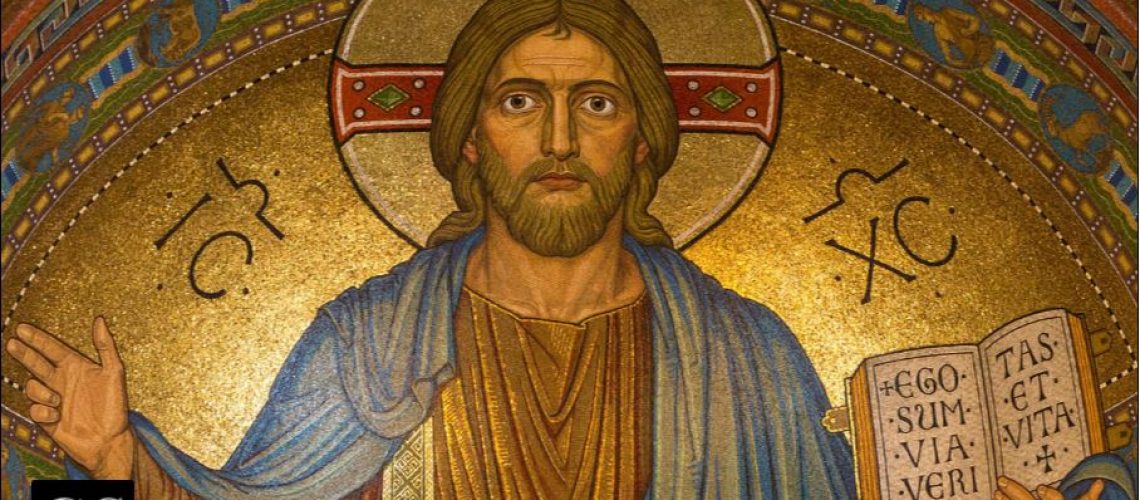
The 3rd Chapter of St. Luke’s Gospel presents the witness of John the Baptist, his call and mission (vs 1-2), his ministry (vs 3), his fulfilment of a prophecy (vs 4-6), his message to the multitudes and specific individuals (vs 7-14), his role as a forerunner to the Messiah (vs 15-18), and ultimately his incarceration for the boldness of his message (vs 19-20). Despite the depiction of a somewhat unappreciated ministry, there was a remarkable response to the work of John the Baptist, and many repented and were baptised. Among those who came was Jesus, not because He needed to repent and be cleansed from His sins, but to completely identify Himself with sinful man even unto death upon the cross. The Baptism of the Lord Jesus in the Jordan signified His entry into the earthly Ministry. On this occasion, St. John proclaimed Christ the Lamb of God (John 1:29) whose way he had meticulously prepared (Luke 3:4-6), and the Triune nature of the Godhead was beautifully manifested in the descent of the Holy Spirit and the voice of the Father (Luke 3:22).
- That Christ Created All Things
St. John writes that all things came into being through Him. Without Him, not one thing came into being (John 1:3). St. Paul gives Him Supremacy, identifying Him as the image of the invisible God and ranking Him as the firstborn of all creation (Colossians 1:15, Colossians 1:18, Romans 8:29, Hebrews 1:6, & Revelation 1:5.). He was an uncreated being in whom all things in heaven and on earth were created, things visible and invisible, be they thrones or dominions, even rulers or powers — all things were created through Him. For Him (Colossians 1:16). He is the author of all creation and the wonder and glory of the world we behold. Yet St. John bemoans that God was in the world, which came into being through Him because the world did not know Him (John 1:10). There was a plan of the mystery of unsearchable riches hidden for ages in this God who created all things (Ephesians 3:9), the Son He appointed heir of all things and by whom He has spoken to us (Hebrews 1:2).
- That Christ Upholds and Preserves All Things
In considering the Supremacy of the Lord Jesus Christ, St. Paul insists that Christ Himself is before all things and indeed is Himself the beginning. It is in Him that all things hold together (Colossians 1:17). The role of the Preserver, which is necessary to the continuance of all things, is ascribed to God, the Creator. Yet, this preserving and continuing power is also attributed to the Lord Jesus, the unifying principle and the personal sustainer of all creation (Hebrews 1:3).
- That Christ Guides and Directs the Stream Of History
Records show that all of Israel was sustained by God’s miraculous provision of food and drink during their time in the wilderness (Exodus 16:35 & Exodus 17:6). This was a truly remarkable display of God’s love and power for the chosen people, and a pre-figuring of the spiritual food and drink that we receive at the Lord’s table (1 Corinthians 11:23-26). St. Paul ascertains that the One who preserved and provided for the children of Israel was the Lord Jesus because they all drank the same spiritual drink taken from the spiritual rock that followed them. They even had the presence of the Lord Jesus with them in the wilderness because the rock was Christ (1 Corinthians 10:4). But St. Paul warns against putting God to the test (as happened to Israel there in the wilderness) lest we, too, become destroyed by serpents (1 Corinthians 10:9). Neither should we complain unnecessarily and be destroyed by the destroyer (1 Corinthians 10:10). Such things as happened in the exodus were written down to instruct us because we are those on whom the ends of the ages have come (1 Corinthians 10:11). We can and indeed, we should take warning from the bad example of Israel, and learn from their mistakes because we (Christians) have a greater responsibility. We know that the ages were made through Christ (Hebrews 1:2), and Christ is named the Father of all ages (i.e., the everlasting Father). The Lord Jesus is the source or author of all eternity, and He is the Creator Himself (Isaiah 9:6).
- That Christ Forgives the Sins of Man
Being fully aware of his condition before God and without making excuses, blame-shifting, or rationalizing, the Psalmist acknowledges his multiple transgressions, the sense of which is always before him (Psalm 51:3-4). Whether he ignores or denies it, he cannot escape it; it gnaws at his conscience. He is miserable living in this unconfessed sin; he is tormented and in great grief over it. He realizes his responsibility for it and does not throw the blame on circumstances or talk about tempers or tenets of society or bodily organization. Even though all these somehow have a share in pushing him to sin, he alone made allowance for them, and he, thus, must bear their burden. He considers the greatness of his sin and rightfully feels that it is against only God that he has sinned. He realizes that God was presently looking on when he sinned. Such was David’s confession of sin, which was not only to relieve himself of the significant burden of his sin and guilt but to bring glory to God. In confessing his sin, he hoped to confirm God’s justice and holy character and prove that God’s commands are always good and just.
Prophet Isaiah tells us what God will do to those who confess when they break God’s commands: He blots out our transgressions for His own sake and will not remember our sins (Isaiah 43:25). St. Mark records the happenings at the healing of a paralytic (Mark 2:5-12) that when the Lord Jesus saw the faith of those who presented the paralysed man (evidenced by their bold, determined action to bring their friend to Jesus), He said to the paralytic, “Son, your sins are forgiven.” But the scribes who were there, using the right kind of logic and correctly believing that only the Lord God could forgive sins, questioned this in their hearts, saying, “Who can forgive sins but God alone?” (Mark 2:7). At once, the Lord Jesus perceived in His spirit that they were discussing these questions among themselves, and proceeded to set the record straight. At this moment, these scribes knew Jesus could read their evil hearts (vs 8). They should have been persuaded that Jesus was God, thus having the power to forgive sins. Because they refused to see who Jesus is, God the Son, who has the authority to forgive sins, the Lord Jesus challenged them (vs 9) and said He would show them that He was the Son of God (vs 10) by demonstrating His authority to forgive sins and His power to heal disease (vs 11-12).
- That Christ Gives Eternal Life
The Bible teaches that the Lord God gives eternal life as a gift through faith in Jesus Christ (Romans 6:23). We are encouraged that the Lord God, who heals, also gives eternal life (John 10:28). When we believe in the only begotten Son, we gain eternal life (John 3:16) because the Lord God gives us to Him. No one can snatch us away from Him (John 10:27-28). The Lord Jesus also gives eternal life through his teachings (John 5:24 & John 6:63), power (John 6:47), and sacrifice (John 3:16). St. John defines eternal life as knowing the only true God and Jesus Christ whom He sent (John 17:3) and testifies that God gave us eternal life which is in His Son, and whoever has the Son, has life (1 John 5:11).
- That Christ Builds The Church And Maintains Its Corporate Existence
The Bible reveals God’s Plan to build the Church so we can participate. Each of us has been given grace according to the measure of Christ’s gift (Ephesians 4:7). But the Lord Jesus is the foundation of the Church (Matthew 16:18). We must make every effort to keep the unity of the Church (Ephesians 4:4-6), and as well embrace diversity in the ability to perform the various tasks to which the Lord God calls each of us (Ephesians 4:11-16). We remember that God gifts the church to equip us for ministry, building up the body of Christ (vs 12) and promoting its growth in building itself up in love (vs 16). The Church works through the power and authority given to the Lord Jesus Christ (Matthew 28:18), and we have our authority in Him (Ephesians 2:6 & 1 Corinthians 6:3).
- That Christ Receives and Answers Prayer
Many Bible verses say the Lord God answers prayers (2 Chronicles 7:14), even before we call (Isaiah 65:24). The Lord Jesus encourages us to continue asking, seeking and knocking (Matthew 7:7-8), calling upon Him (Psalm 91:15). St. John teaches that we have boldness in the Lord Jesus to ask anything according to His will because He hears us (Psalm 10:17). And if we know that He hears us in whatever we ask, then we see that we have obtained the requests made of Him (1 John 5:14-15). The letter to the Hebrews ascertains that we come boldly to the throne of grace so that we may obtain mercy and find grace to help in our time of need (Hebrews 4:16). If we ask anything, trusting in His Name and doing it according to His character and authority, He promises to do it (John 14:14).
- That Christ will Raise the Dead In the Resurrection
The Old Testament prophets described the Lord God raising the dead in various ways. Hosea made this promise several times, mentioning the third day (Hosea 6:2) and the return of exiles (Hosea 11:1 & 11). Isaiah prophesied that God promises the dead will live again and their bodies will rise (Isaiah 26:19-20). This comforted the people and showed them that good lies ahead of them in their new lives after times of trouble. In describing a future resurrection where some will be raised to everlasting life and others to shame and everlasting contempt, the prophet Daniel depicts the ultimate destiny of humanity based on their response to God’s call and emphasises the importance of living a life that leads others to righteousness (Daniel 12:2-3).
In the New Testament, the Lord Jesus uses the work of resurrection to express the shared work of the Father and the Son. He points out the sovereign power and authority He has to raise the dead and His independence to give life to them just as the Father does (John 5:21). He explains to the astonished religious leaders who He was and what the nature of His authority and deity were. Shocking as it might be, all humanity is destined for resurrection in bodies suited to life or condemnation (John 5:27-29). The Lord Jesus was emphatic that He is the resurrection and the life, and everyone who lives and believes in Him will never die (John 11:24-26). We must never forget that our citizenship is in heaven, and we are noticeably different as we await the coming of our King (Philippians 3:20-21).
- That Christ is the Final Judge of the World
The Bible teaches that the Lord God will judge the world in righteousness and the peoples with His truth (Psalm 96:13), fairness and impartiality (Psalm 98:9). Paul preached that all people repent because the Lord God has fixed a day on which He will have the world judged in righteousness by a man whom He has appointed. He argues that the Lord God has assured all this by raising Him from the dead (Acts 17:31). But the Lord Jesus uses the work of judgement to show the division of labour between the Father and the Son. St. Matthew records that people will gather in judgment before the Son, and He will separate them one from another (Matthew 25:32). Even during His earthly ministry, the Lord Jesus was something of a judge among humanity. His look of love was enough for one to be judged because there was always a self-reproach where He was.
This work of judgement was given by God the Father to God the Son so that people honour the Lord Jesus as they should, and failure to honour Him means an impossibility also to honour the Father who sent the Son (John 5:22-23). By explaining His relationship to the Father, the Lord Jesus claimed His deity. To the Gentiles, Peter stated that the Lord Jesus commanded them to preach to the people and to testify that He is the one ordained by God as judge of the living and the dead (Acts 10:42). According to St. Paul when we pass from these bodies to the world beyond, we must each appear before the judgement seat of the Lord Jesus to give account according to the works we have done, whether good or bad (2 Corinthians 5:10).
Take-Home Message
From miracles that no human could have performed to the many signs and wonders, the writers of scripture did not hesitate to reveal works that were not only ascribed to God but also marks of the one true God. They likewise attributed them to the Lord Jesus Christ. The Resurrection and the Great Atonement reveal more of Christ’s deity.
*NB: Unless specifically stated, all Bible quotations are from the NRSVCE.


[…] Hope – Archbishop John Wilson at CHPerpetual Eucharistic Adoration Live – Big PulpitBiblical Evidence of the Deity of Jesus Christ-His Works – Pamela Mandela at Catholic […]
🤔..Yet it is the 1st Reading at the Mass of Solemnity of Most Sacred Heart of Jesus.
Anyway 🙏🏾
Hosea (11:1 & 11) is a book of the Protestant bible that is omitted in the Catholic bible.
Seriously? Which Catholic Bible omits the Book of Hosea?
This article cites from the New Revised Standard Version Catholic Edition which has the Book of the Prophet Hosea. Even USCCB online Bible has it.
Hmmm, it must be the The Family Rosary Commemorative edition (1953) of the Catholic bible that is translated from the Vulgate and given to me by my aunt, a Sister of Mercy. It
clearly states what books are in both Catholic and Protestant bibles – so Hosea is not in mine. Of course, our separated brethern have influenced, through eccuminism, the transfer of once separated books.