
It is important to understand that the people we surround ourselves with have a massive impact on our lives. Our approach to life, the goals we set, and the opportunities we are given are usually correlated with the friends we choose and the relationships we forge.
Parents would be smart to pass this knowledge on to their children. The success our kids will or will not achieve as they grow up will only partly be due to their hard work and their God-given talent. It may also be due to a little luck or happenstance. Yet part of a person’s success is also a collective achievement. It is shaped by the people we keep around us.
We have heard the adages that refer to whom we surround ourselves with matters:
- “Tell me your company, and I will tell you what you are.”
- “You are the average of the five people you spend the most time with.”
- “Ninety-five percent of your success does not stem from hard work or talent, but rather from the company you keep.”
That last quote has been attributed to Harvard psychology professor Dr. David McClelland. His decades of research on what makes a person successful concluded that the individuals one associates with plays a pivotal role in determining one’s achievements. A person’s friends influence one’s thoughts, mindset, and aspirations.
A Child’s Personal Network Is Impactful
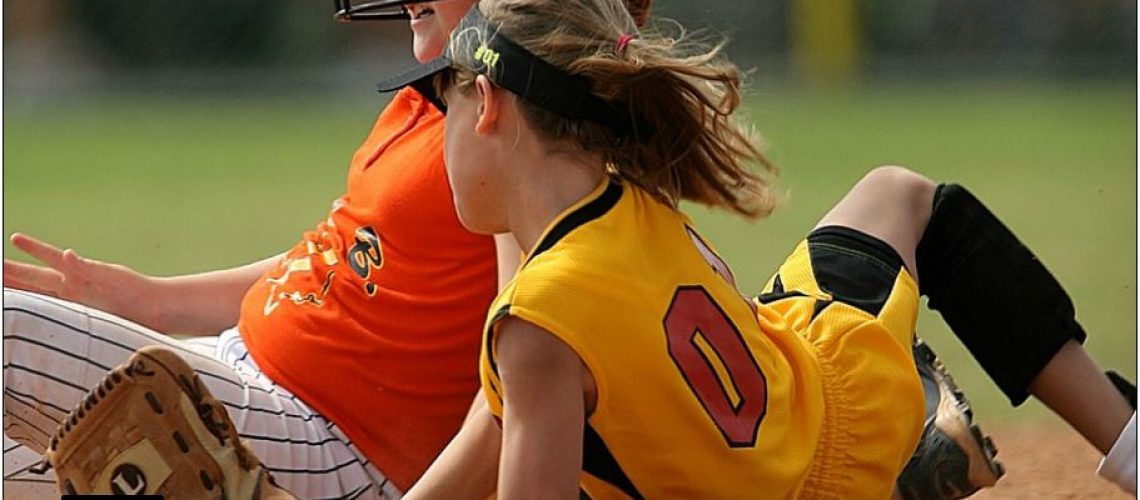
And it is not just the few close friends of a preteen or teen that will influence him or her. A child’s classmates and teammates, even if not personally close, are an influential part of their “personal network.” The typical child attending a conventional school will hang around for about seven hours a day with anywhere from a dozen to a hundred “school colleagues.” When playing on a sports team, a youngster will be closely engaging with his or her teammates. And sports are very emotional, passionate, and memorable.
Moms and dads must help their children understand that their personal network will have a strong impact on their success. Thus, they will want to choose their friends and acquaintances wisely. Likewise, parents will want to wisely place their kids in appropriate school communities and athletic programs. The right group of friends and acquaintances will encourage accountability, help one stay focused on their goals, and provide support when challenges arise.
Tips for Building the Proper Friend Group
Parents should sit down with their children to discuss the importance of surrounding oneself with the right group of friends. The discussion should also include how to go about finding the best personal network.
Some tips to help build that constructive, supportive network include the following:
- Evaluate your circle of friends and identify those who uplift you and those who may be dragging you down;
- Seek the optimistic and ambitious acquaintances who will help inspire positivity and personal growth;
- Consider diversifying your close peer group if adding new friends from different backgrounds might help you gain new perspectives and insights;
- Reduce your contact with those friends who are negative influences and lack ambition as they will most likely hinder your ability to thrive in the future;
- Invest in your friendships by offering them encouragement and reciprocating support.
Parents Have to Step In
Although mom and dad won’t be able hand-hold their preteens and teens in finding good friends, they do need to stay aware. When parents see poor relationships forming they must step in. They should help their children find positive peers while curtailing their connections with negative peers.
A motto parents can follow is, “If there is anyone in our child’s circle who is not bringing a positive attribute to his/her life, we need to point this out and possibly even intervene.”
And it is not just the people in the child’s circle with whom moms and dads must be concerned. Parents must also keep their eyes on their youngsters’ exposure to activities that become negative influences, such as:
- Viewing/listening to corrupt media and propagandized news sources;
- Looking at degenerate internet sites;
- Persistent involvement in social media (this includes both posting about themselves or obsessively following others);
- Following immoral celebrities and online influencers.
Beware of Virtual Peers
It was in the 1960s and 70s that Harvard Professor McClelland researched the influence of peers on a person’s development. The definition of “peers” at that time was confined to personal friends and acquaintances. A friend or peer was someone seen face-to-face and spoken to in person.
But today, in our modern, hi-tech world, social media and online communities often compose a teen’s “peers.” No longer are those who play a role in shaping a person’s identity only those with whom there is a traditional face-to-face interaction. Nowadays, an adolescent’s “peers” are those on social media platforms – such as YouTube, TikTok, Instagram, and Snapchat – who have never actually been in the same room.
Kids are connecting with virtual people and groups who become their influential role models. But many of these role models could be bots or predator-type adults who pretend to be young equals online. These “digital peers” or “virtual peers” can spread unrealistic standards and comparisons and a distorted sense of success. They can instill social pressure that will cause preteens and teens stress and an aberrant outlook on life.
Therefore, parents must take steps that include limiting their children’s exposure to the internet, social media platforms, and online gaming chats with strangers. Even if the person a preteen or teen is following online is indeed a real person with an authenticated identity, it must be stressed how phony online personas are.
One’s online persona usually differs considerably from that person’s real-life identity. Such phonies choose to emphasize only positive and probably self-aggrandizing traits and experiences. And they will downplay any real or negative aspects.
A fundamental action moms and dads need to take when it comes to online exposure involves smart phones. Never give children a smart phone until they have proven themselves to be mature and responsible. This would typically be no sooner than when the teen finally gets his or her driver’s license. (This is explained in the article, “How To Be Named Both Meanest Parent Ever and Parent of the Year.”)
Stay Away From Peers Who Drink or Smoke
Various studies (such as here and here) have shown that a teenager’s friend group is a vital factor in determining if the teen himself or herself will use drugs like pot, alcohol, and cigarettes. Research proves that adolescents will be much more likely to use harmful substances if their close friends are using.
When a child’s closest friends drink or smoke pot, the child has immediate access to these substances as well. Such friends also model drug using behavior and help shape beliefs and positive attitudes toward the use of drugs.
It is critical parents keep a keen eye out for the type of peers with whom their children are spending time. Parents must try to halt any relationships that reveal evidence of their child’s social group dabbling in harmful substances.
Choose the Right School and Parish
There is an adage that ‘a person is the average of the five people with whom he or she spends the most time.’ This expresses the importance of surrounding yourself with the right friends and acquaintances. Parents would be wise to stress to their sons and daughters that good friends improve their chances of a successful future. This means choosing peers that share Catholic, or at least Christian beliefs, vision, and core values.
Moms and dads should help their kids find positively motivated and morally sound friend groups. They should also stress to their kids the importance of distancing from negative influences who contradict your family’s principles.
Homeschooling communities or Catholic schools contain higher percentages of positive, upright peers for kids than in the public school population. This is why, except in rare occasions, no Christian parent should enroll their children in a public school. You can read about the reasons why in “Public School Parents, What the Heck Are You Thinking?!” and in “The Best School Choice Might Just Be Homeschooling.”
Similarly, Catholic parishes are more likely to be environments providing positive influences. That is one of the benefits of attending Mass as a family and enrolling children in either a Catholic school or the parish’s faith formation class/youth group. The chance increases that one’s child will grow morally and have a rewarding future if he or she remains close with faithful, Christ-loving, God-fearing peers.
What Do Birds of a Feather Do?
If it is true that “birds of a feather flock together,” it is vital that a person who wants to grow up righteously and be successful in life keeps the correct company.
Moms and dads should want their children surrounded by moral, reputable, and resolute friends, classmates, and teammates. Therefore, the parents’ goal should be to steer their offspring toward good, upstanding friends. Conversely they should steer them away from friends, classmates, and teammates who aren’t ethical or trustworthy, or who settle for mediocrity.
As parents, we want to believe our child’s success will be due to a combination of heredity, proper parenting, and their own hard work. But those factors will be all for naught if we allow them to keep company with the wrong people during their formative years.

