

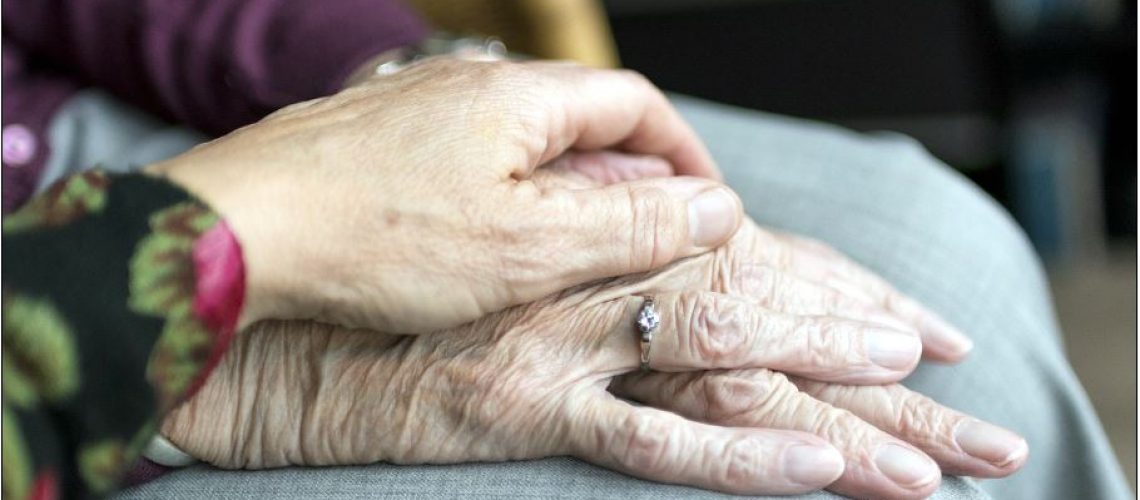
A person with empathy has a deep emotional bond with others. This bond results in the ability to often feel others’ joys and sorrows with remarkable intensity.
Although the word “empath’ is not an official psychological term some have argued that there are true empaths in the world. But whether they are born with a heightened sense of empathy or develop it as a character trait, the world could do with more empathetic people.
Empathy is a character trait and talent that has many benefits for the empathetic person, and those around such an individual, even though it can be challenging at times. Major benefits for the empathetic person include the possibility of living a longer, more fulfilling life, healthier relationships, and a more incredible feeling of purpose.
Empathy as the Basis for Close Relationships
Empathy creates strong bonds that transcend superficial interactions. When one possesses empathy, he or she sincerely listens to others, provides comfort, and acts as a salve to people in need. St. Paul expressed this dynamic well in Romans 12:15, “Rejoice with those who rejoice, weep with those who weep.” By feeling other people’s feelings, empathy fosters a sense of community that strengthens bonds and advances understanding.
Consider empathy as a means of bridging different hearts. An empathic person opens this bridge to let love and understanding flow freely. This bridge strengthens the empathetic individual’s emotional resilience and sense of belonging while also boosting others.
Empathy’s Ability to Change Lives
Acts of charity and kindness, which can change lives, frequently manifest empathy. Kind people live longer and are healthier, according to science. Studies have shown that altruistic deeds can lower blood pressure, lessen stress, and strengthen immunity. Empathetic people unintentionally promote their own health by concentrating on the welfare of others.
Proverbs 11:25 confirms science here: ” Whoever confers benefits will be amply enriched, and whoever refreshes others will be refreshed.” This verse emphasizes how giving is a two-way street. Empathic persons gain spiritual and bodily benefits by elevating others.
The ripple effect is a metaphor for this idea. An act of kindness spreads outward, touching people and igniting more generosity, much like a single pebble tossed into a pond produces growing rings of waves. As the origin of this ripple, the empathic person joins a more significant, more profound positive movement that feeds their spirit.
A Feeling of Fulfillment and Purpose
Because empathetic people frequently find meaning in easing the hardships of others, empathy increases one’s feeling of purpose. Longevity and greater life satisfaction have been associated with this feeling of purpose. “Amen, I say to you, whatever you did for one of these least brothers of mine, you did for me,” Jesus Himself said in Matthew 25:40, underscoring the significance of selflessness.
Empathic living aligns with a divine mission to help and encourage others. This goal gives the kind person a profound sense of fulfillment. It serves as a constant reminder that their deeds have eternal meaning.
Think of empathy as a light in the dark. Giving light to others does not diminish their brightness. Rather, it illuminates their path and the journey of others around them.
Tolstoy’s Metamorphosis and Life’s Purpose
The famous Russian writer Leo Tolstoy struggled with the meaning of life during his midlife crisis. Despite his prosperity and success, Tolstoy was hopeless and began to doubt the worth of his accomplishments and the fleeting nature of life. In pursuit of solutions, he investigated religion, science, and philosophy. Nevertheless, he could not find much comfort in scholarly endeavors or tangible achievements.
But when Tolstoy encountered the straightforward compassion and faith of the Russian peasantry, he underwent a significant change. Despite their lack of riches or influence, he saw that these lowly individuals led lives entirely of love, service, and commitment to God. They taught him that love, selflessness, and empathy are the actual essence of life.
In his later works, Tolstoy expressed this realization: “The sole meaning of life is to serve humanity by contributing to the establishment of the kingdom of God. ” He realized that leading an empathetic, giving, and connected life is rewarding and consistent with the greater good.
This change in viewpoint highlights the fundamental reality that living for others instead of oneself offers enduring joy and calm. Tolstoy’s path is like that of those who lead empathetic lives and find purpose in deeds of love and compassion.
The Emotional and Physical Advantages of Generosity
Empathic living entails both practical deeds of giving and emotional generosity. These behaviors may result in what scientists refer to as the “helper’s high,” an endorphin rush that lessens pain and promotes feelings of satisfaction. An extended life span is an immediate benefit of habitual charity.
Additionally, empathy is a potent remedy for the strains of contemporary life. The spirit of 2 Corinthians 1:3-4 – “Blessed be the God and Father of our Lord Jesus Christ, the Father of compassion and the God of all encouragement, who encourages us in our every affliction” – is embodied by those who work toward empathy in a world that is frequently characterized by division and conflict.
Empathetic people act as conduits for God’s encouragement and compassion, mending themselves and others.
Getting Past Obstacles with Grace
Although empathy is a blessing, it can also be too much to handle. Burnout or emotional exhaustion may result from many empathic persons’ inability to absorb others’ feelings. However, empathy becomes a source of strength when balanced with boundaries and self-care.
The oxygen mask on an airplane is a helpful analogy. In the same way that flight attendants tell travelers to put on their masks before assisting others, empaths also need to take care of themselves to continue being good caregivers. By doing this, they can ensure that their gift of empathy continues to bring them joy rather than burden.
Longevity and Empathy: A Divine Promise
Kindness and longevity have a spiritual as well as a scientific relationship. “Blessed the one concerned for the poor; on a day of misfortune, the LORD delivers him,” according to Psalm 41:2. The Lord blesses and keeps such individuals safe. This promise embodies the profound reality that God rewards unselfish people and frequently bestows them the blessing of long life and ongoing well-being.
An empathetic person’s compassionate deeds align with heavenly values that prioritize kindness, love, and giving. By doing this, individuals enjoy walking harmoniously with God’s will and maintaining physical health.
In Conclusion, a Loving Legacy
Being an empath has many benefits, making it a spiritual calling. Empaths find a deep sense of purpose, build meaningful relationships, and change lives with kindness by embracing their capacity for intense emotion. Their deeds leave a legacy of love and compassion that reverberates well beyond their immediate circles.
The divine mandate to “love one another as I love you” (John 15:12) is fulfilled when one lives empathetically. Kindness and generosity are manifestations of this love, which not only improves the lives of others but also feeds the empath’s body, mind, and soul.
Leo Tolstoy’s voyage reminds us that the silent deeds of love and service that unite people honestly give life purpose, not celebrity or fortune. In the end, empathy is a gift and a way of life that results in greater happiness, better health, and the realization of God’s unending promise.
Feeling the warmth of divine love while shining a light for others is what it means to be an empathetic person. Why not make it a New Year’s resolution to increase your sense of empathy?




3 thoughts on “Developing Empathy as a Goal for the Coming Year”
I’m extremely surprised that you use Tolstoy as an example of an empathetic person, which he certainly was not. What he wrote and what he did were two diametrically opposed opposites. I would urge you to read the book ‘Intellectuals’ by Paul Johnson, especially the section on Tolstoy, and you’ll certainly have the exact opposite opinion of the man in the end.
Thanks for your comments. I always appreciate your thoughts.
DD
Good essay, though you are tending to lump empathy together with charity. These are two different things.
Empathy requires putting yourself in the other person’s shoes — not necessarily agreeing with their viewpoint, but understanding how they came to be the way they are. This is not easy. The psychologist Carl Rogers said one should be able to express the other’s feelings, to the other’s satisfaction. And that is only a starting point.
Charity, to be useful to the other person, depends on first developing an empathic understanding. Otherwise (if you remember the Monty Python skit) you might be just giving them more lupins.