
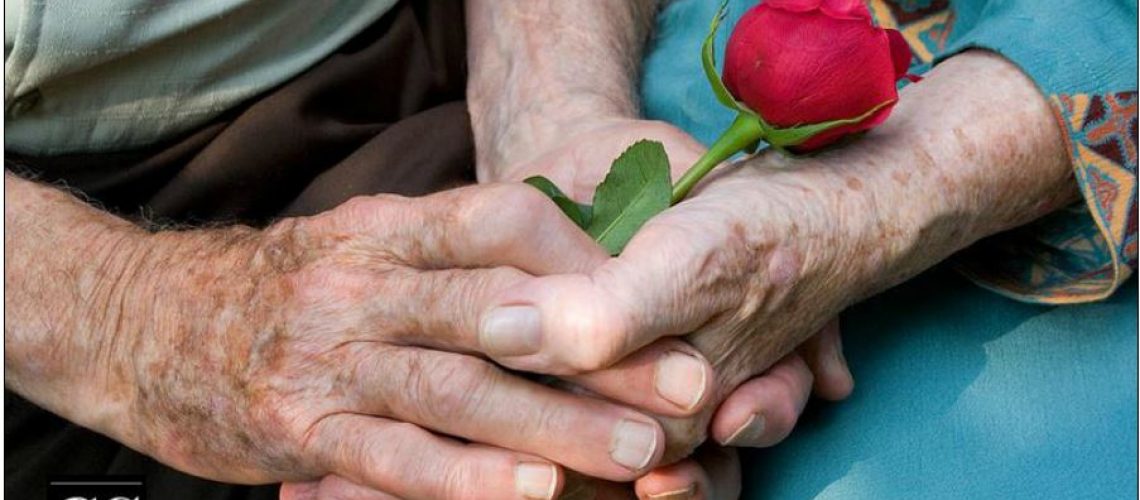
Leila Miller’s latest book “Impossible” Marriages Redeemed is really a follow up to her previous book, Primal Loss, which recounts the stories of adult children of divorce in their own words. These are the “untold stories” of those who have for most of their lives felt as if they did not have permission to speak about the pain caused by their parents’ divorce. Many have brought that pain and difficulty into their adult lives and marriages. After reading these testimonies, no one is able to say divorce is without consequences. Ms. Miller gives them a voice since, for many, no one ever asked them the question of how their parents’ divorce affected them.
“Impossible” Marriages Redeemed consists of sixty-five stories told in the spouses’ own words (or for some, in the words of the children recounting their parents’ marriages). The first fifty are from those whose marriages have been redeemed from the brink of destruction, while the last fifteen stories are written by the “standers”, that is, abandoned spouses who have nevertheless chosen to honor their vows even after a divorce.
Our Countercultural Values
To those in the culture at large not familiar with the ideals of Christian marriage, indissoluble marriage can seem like madness. But there are those who take the words of Christ seriously: “What, therefore, God has joined together, let no man separate” (Mark 10:9) and “Anyone who divorces his wife and marries another woman commits adultery, and the man who marries a divorced woman commits adultery” (Luke 16:18). They understand that when a marriage is valid in the eyes of God and the Church, nothing but death can free them from this solemn covenant.
And many found themselves wishing just that on either themselves or their spouses. The stories recounted in “Impossible” Marriages Redeemed are both unique and common. Issues of pornography and alcohol addictions, infidelity, neglect, family histories of divorce, and selfishness were common threads that wove their way through the individual narratives. The pain of betrayal, the seemingly impossible circumstances to overcome, the difficulty in forgiving – all these things made persistence in the aftermath of the divorce seem like truly hopeless situations where the only recourse should have been to walk away.
The Story Doesn’t End in the Middle
But, as Ms. Miller alludes to in the title, “the story doesn’t end in the middle.” While there are common themes of fallenness and sin, the thin golden strand that really ties these narratives together is the overwhelming story of God’s goodness, fidelity, and grace to make the “impossible” possible. Catholics know that in a sacramental marriage we are given the gift of grace by the Sacrament of Matrimony itself. We need this sacramental grace because marriage is hard. For many of these marriages, the word hard is itself an understatement. Many of them, quite frankly, seem impossible. But whereas the culture is quick to prescribe divorce, remarriage, and “moving on” to find the illusory “self-fulfillment”, Christ demands more. He sets the bar high and does not lower it. But what He does give is His grace to accomplish it. And many find themselves now in those “golden years” of marriage eternally grateful for that grace (for which we only need to ask), because they are now in the best years of their life and marriage.
One of the more disillusioning aspects of the reality of Catholic marriages today is that the Church’s ministers themselves – who should be advocates and a resource for those seeking to remain faithful to their vows – often fail to be that. Many of the stories recount spouses (either one or both together) seeking out a priest or a Catholic counselor only to find themselves being told that divorce is the best recourse and that “moving on” is probably what is best in their circumstances. It amounts to a cowardly dereliction of duty on all counts.
The Silent Sufferers
For the “standers” who seek recourse to ecclesiastical authorities, the discrepancy between what should be standard practice and the actual position of the Church is stark. Pope John Paul II recognized this “scandal of seeing the value of Christian marriage destroyed in practice by the exaggerated and almost automatic multiplication of declarations of nullity.” While there are grounds for declarations of nullity in some Catholic marriages, the degree to which they are granted (in some dioceses it can approach 100%) has advanced the reputation of annulments as “Catholic divorce” to outsiders. When “get an annulment” becomes the default counsel, and when it is combined with no-fault divorce laws, those who desire to stay and fight for their marriage find themselves outnumbered and often alone.
But there are the Veronicas and the Simon of Cyrenes who accompany “standers” on their personal ways of the Cross. These make appearances throughout the stories as well. In some cases it was a faithful priest who gave the “tough love” needed by way of admonishment or a Catholic lay couple who provided prayer support and a shoulder to cry on while encouraging fidelity to the vows. These roles are important because they work as conduits of God’s grace and serve as a bulwark (sometimes the only one a couple encounters) against Satan’s plans to destroy families and marriages by way of divorce.
A Catholic Moral Dynamic at Work
In maintaining the Catholicity of these particular stories, we see the distinctly Catholic principal of “both/and” at work as it pertains to cooperation between grace and free will. It is God’s grace present in the nature of the sacrament that is at work and which moves the will to act. While God’s grace makes the impossible possible, the hard work of reconciliation, of forgiveness, of living together and loving one another are all acts of the will. Anyone who has been married for some time knows that love is not a feeling but an act, and it takes work to exercise it. It is a daily dying to self, a humbling example that Christ Himself set when washing the feet of the disciples and laying down His life not only for His friends, but for all of fallen humanity. In Christ’s Cross and Resurrection, there is the hope of redemption. It is this hope that we cling to when all seems lost, even (and especially) in our marriages.
Journalist Phil Lawler’s foreword to the book sums up the witness of those who did not take the easy way out of their marriages when the culture (and sometimes even Church members) encouraged them to do so. He calls them heroes. “What is a hero, if not someone who makes sacrifices for another?” he writes. In reading the stories of these witnesses to God’s grace and redemptive power, I have found myself indebted. In telling their stories, they show what is possible, namely, that the story doesn’t have to end in the middle. They give hope to many of us who are married when we find ourselves in that struggle.
The Final Battleground
The family depends on marriage, which Satan himself has set out to destroy. It is the great battle of our time. Marriage is the retaining wall which keeps the family from washing out to sea, for as St. John Paul II has said: “As the family goes, so goes the nation and so goes the whole world in which we live.” The fight to save marriages is one that is only won one couple at a time, and its significance should not be understated. “Impossible” Marriages Redeemed is an important contribution to that preservation.


[…] to proclaim the Gospel and “fish for men” (though that is one way). It could be suggesting a book counseling against divorce when someone in a moms group is considering it – even when everyone else in the group is […]
Of course, some marriages are indeed impossible, no matter what the US supreme court opines.