
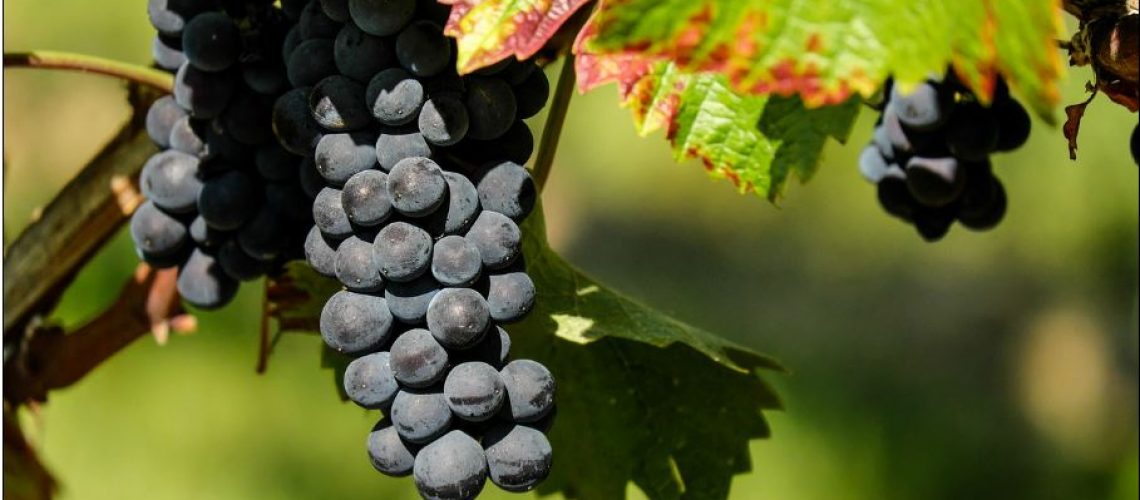
For many woman Rachel’s Vineyard is a sanctuary. It’s like an oasis in a desert of emotional turmoil.
So just what exactly is Rachel’s Vineyard, one might ask. It is an international program designed to provide solace and healing for women (and men) haunted by the echoes of abortion.
It started in 1994 with a book by Theresa Karminski Burke, Ph. D, titled “Rachel’s Vineyard: A Psychological and Spiritual Journey for Post Abortion Healing.” A year later Burke “adapted and expanded the curriculum into a format for weekend retreats.” By 2012, Rachel’s Vinyard had expanded to over 375 sites in more than 70 countries.
Diving into a turbulent ocean of emotions
As I embarked on my own journey with Rachel’s Vineyard, not as a post-abortive individual but as a counselor in training, I was required to first navigate the path as a retreatant. This expedition into the heart of grief was akin to diving into a deep, turbulent ocean of emotions. It was an unforeseen and overwhelming experience.
My personal history bears the scar of losing a beloved 5-year-old son to leukemia half a century ago. But the contours of loss, whether carved by the deliberate decision of abortion or the cruel hands of nature, share the same landscape of lingering pain.
For decades, I believed I had navigated through the stormy seas of grief – denial, anger, bargaining, depression, and acceptance. Yet, this retreat revealed uncharted territories within my heart, hidden chambers of unresolved sorrow.
Retreatants
The demographic tapestry of the group I was part of was startling. Ages stretched from the tender branches of 32 to the seasoned boughs of over 70. Contrary to my assumptions, these post-abortive women weren’t just young sprouts but mature trees.
Each of the retreatants had roots deeply entangled in past anguish. The traumatic loss had burrowed a void in their souls, leaving behind a landscape marred by regret, remorse, and a palpable absence in their hearts.
On the inaugural evening, under the gentle canopy of trust woven by our facilitator and her aides, we each laid bare our narratives of loss. Sharing such profound intimacies is only possible in a nurturing environment – a garden where trust blooms abundantly.
Sharing, Exercises, Meditations, Rituals
The program is designed to help participants work through their emotional pain. They do this through group sharing, spiritual exercises, and guided meditations.
One of the most powerful aspects of Rachel’s Vineyard is its use of symbolic acts and rituals. These rituals include opportunities for naming the lost child, writing letters of goodbye, and participating in memorial services, which are powerful steps towards healing. They help individuals externalize their grief and begin to let go of the pain.
Scriptural activities provide a trellis, supporting our climb towards forgiveness, empathy, and love. The transformation from the shadows of Friday evening to the dawn of Sunday was remarkable. Retreatants, once isolated in their grief, blossomed into a bouquet of new friendships, bonded through shared suffering.
A poignant pattern emerged among us: many, regardless of age, bore wounds from fraught paternal relationships. The vine of negative experiences with fathers, and occasionally mothers, was a common thread that seemed to strangle their emotional growth.
On personal level, the thought of enduring a life severed from my daughters is unimaginable to me. Yet, here were women, wrestling with the thorns of paternal discord stemming from choices made years ago. Theirs was a garden where forgiveness seemed never to have taken root.
Inclusivity
An essential aspect of Rachel’s Vineyard is its inclusivity. The retreats are open to anyone affected by abortion. Not just women, but men, family members, and even medical personnel who have been involved in abortion procedures attend the retreats. This inclusiveness acknowledges that the impact of abortion can reach far beyond the individual directly involved, affecting many others in their life.
Rachel’s Vineyard is not just a retreat, it is a pilgrimage through the vineyard of the soul. Here, individuals are invited to prune the overgrowth of past pains. They irrigate the parched earth of their hearts with tears of mourning and healing, and cultivate a space where forgiveness can flourish.
The retreatants’ journey underscores a universal truth: shared wounds in the fertile soil of empathy and understanding can transform the most barren ‘heartscapes’ into places of new growth and peace.
Rachel’s Vineyard is a vital resource for anyone seeking to find peace and emotional healing after the loss of a child through abortion. Its compassionate approach helps individuals reconcile with their past actions and fosters a community of understanding and support. I highly recommend Rachel’s Vineyard to men and women alike who are navigating this challenging emotional landscape. It offers a beacon of hope and healing, proving that no one must walk this path alone.


Dennis,
This is a beautiful description of this important healing vocation in a way that honors the growth of our souls as referenced to the gardens that are tended, much like how Jesus tends to each of us in our healing process. Those that take the leap to find healing, will be supported and will be closer to God’s garden of eternal life.
As a fellow traveller on this journey with you, Dennis. Thank you for bringing this to light as a beacon of hope for others who are struggling to understand that we, as fellow humans on this journey of life, can be conduits for God’s infinite and Divine Love. For God is Love. God is Mercy and God is Compassion.
Sincerely,
Nicole Bartolomei
Thank you, Nicole.
[…] and Analysis:Rachel’s Vineyard: A Journey through the Vineyard of Healing – Dennis Dillon at Catholic StandCatholic Priests Are the Sleeper Cells in Rome’s […]
Great article, I did not know Rachel’s vineyard was so widespread.
Rachel of the Bible, Rachel’s tomb is mentioned. Did one know there is an actual location for it in Israel, it is visited. There are youtube videos on the subject.
Scholar Brant Pitre writes well on her (Jesus and the Jewish Roots of Mary: Unveiling the Mother of the Messiah). Recommended.
A true heroine.
Sorry, you can’t have it both ways. If you’re going to call abortion “murder”, then the women is unavoidably a “murderer”.
Yes, abortion ends an innocent human life made in God’s image (Psalm 139:13-16; Exodus 20:13). But the gospel doesn’t leave anyone defined by their worst sin. King David arranged a murder and was forgiven when he repented (2 Samuel 12:13; Psalm 51). Paul called himself the worst of sinners yet received mercy (1 Timothy 1:15-16).
God’s word promises: “If we confess our sins, he is faithful and just and will forgive us our sins and purify us from all unrighteousness” (1 John 1:9). Rachel’s Vineyard exists so that no one stays trapped in shame—there is full forgiveness and healing at the cross for every repentant heart, including mothers who grieve their lost children.