

There is a difference between price and cost. A priceless thing may be very costly even with no money involved – perhaps especially when no money is involved.
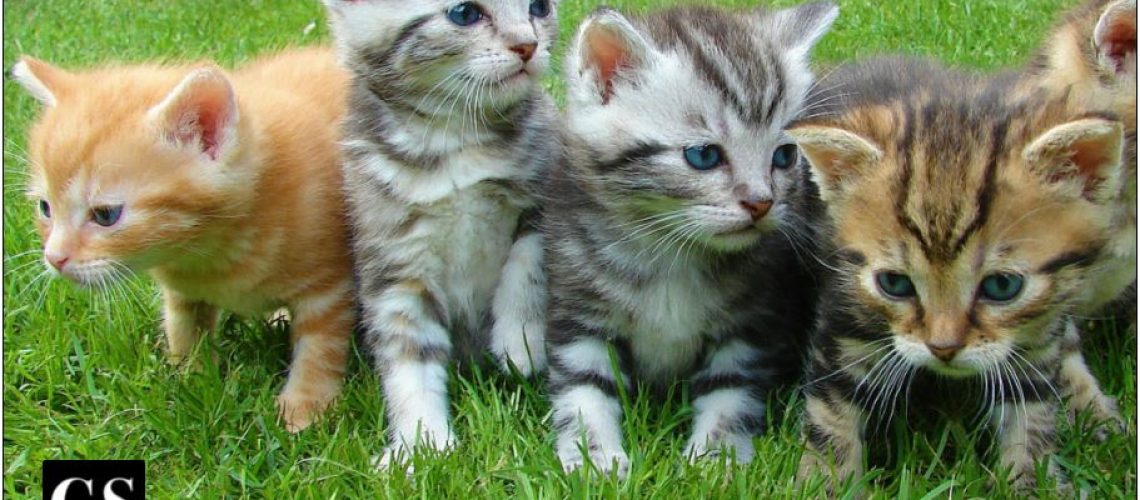
An immediate reminder of this was the sudden and unexpected death of my 14 year-old cat, Ao no Kiri (Blue Mist), known as Kiri.
About Kiri
Kiri was “my” cat, as I was her human. She slept on my chest or back or by my side for most of her life.
She had a lovely purr, and her voice showed a bit of Siamese. She tended to use it when displeased or hungry. Her coat was splendid, glossy blue-gray with silver highlights, changing in the light. Her eyes were copper-gold
Kiri and her sister have been ours for 14 years. Kiri ruled the upstairs as her sister Rikki ruled downstairs, with truces for interesting events and human sleep time. Now Rikki will own the whole house.
As recent advice holds, we allowed Rikki and our dog Quique to sniff the body. Rikki hissed; Quique showed little interest. So much for current wisdom. Afterwards, though, Rikki went into hiding for the rest of the day. Quique was quiet, perhaps even a bit depressed.
We dug the grave before one storm, then finished it and interred her before the next wave rolled in, all while thunder growled.
Our Relationship With Beasts
In his novel “Perelandra” (a retelling of the story of the Temptation of Eve), Lewis portrays the relationship between humans and animals in an as-yet-unfallen world. The Green Lady (his analog for Eve) says at one point:
“The beasts would not think it hard if I told them to walk on their heads. It would become their delight to walk on their heads. I am His [God’s] beast, and all His biddings are joys.”
The Lady would not make such a request because she was not capricious; she chose this as an illustration precisely because its absurdity illustrated the joy of obedience for those who have not fallen to Original Sin.
Of course we are fallen, as is the world in which we live. As such we command no more obedience from nature than we offer to God as a species. (It is suggestive that the only man to consistently command nature was Jesus, who also lived in perfect obedience to the Father.)
We have domesticated some animals, and use them for everything from companionship to work partners to raw resources for materiel and food. But we have done so, for the most part, by conditioning them, subduing them, and/or altering their natures through selective breeding.
The closest we come to the Green Lady’s relationship with beasts is with our pets. How closely that relationship reflects the ideal portrayed by Lewis varies immensely from person to person and pet to pet.
Grief is One Cost Of Love
This is not an original sentiment. A little time spent with search engines shows this to be the case. Many have commented on it in many ways over the years.
I particularly appreciate C. S. Lewis’ phrasing in his book The Four Loves:”
“To love at all is to be vulnerable. Love anything and your heart will be wrung and possibly broken. If you want to make sure of keeping it intact you must give it to no one, not even an animal. Wrap it carefully round with hobbies and little luxuries; avoid all entanglements. Lock it up safe in the casket or coffin of your selfishness. But in that casket, safe, dark, motionless, airless, it will change. It will not be broken; it will become unbreakable, impenetrable, irredeemable. To love is to be vulnerable.”
There are other costs – such as the effort of being considerate, the chores of being supportive, and the diligence of being constant. While not exactly chores, forgiving and seeking forgiveness are also part of love, and both can at times feel costly.
But when a life or love itself ends, grief is the most difficult cost of all. This is because the person (or pet) that is loved is no longer there to ease our payment.
Costs And Meaning
The character who self-isolates to limit his or her emotional contact with the world is a common story element. Such isolation, the character believes, results in less pain. Stories from the romantically redemptive to cautionary tales of disastrous self-immolation and alienation weave this character into their plots.
These tales are how we reinforce the lesson that fear of grief and loss can be, and more often than not are more damaging than grief and loss themselves.
We tend to value things that are costly more than things that are cheap or easily won. This is almost hard wired into us. This is true not only of monetary costs, but of things that require labor, persistence, constancy, and investments of time among other things. In a way, this is because effort tends to imbue results with extra meaning. The working out of long term relationships, for instance, creates a history that adds depth and breadth to future events through the memories of the struggles that go into creating a stable, fulfilling, mature relationship.
I lost a companion, a comforting presence, a complex yet uncomplicated relationship with a beautiful creature. I am as sad as you would expect . . . but as previously mentioned, grief is one of the costs of love. With love being beyond price, I bear the cost as willingly as I can.
Prayer
Father, thank you for your gift of our animal companions, and for creating both them and us in such as way that makes our connections to them so potentially rewarding. Thank you for the lessons we learn in caring for them, and the lessons we learn from their presence and actions in our lives. Thank you for the simplicity and directness of the love that you allow us to share. Grant us the grace to be good stewards of this gift, and to act with discernment and compassion in all our encounters with all parts of nature. And for all who grieve, grant consolation and healing in due time. AMEN




3 thoughts on “Priceless But Costly”
Pingback: MONDAY EARLY-MORNING EDITION - BIG PULPIT
Thank you for this!
Cats, especially I think, may come back. Mine did, underwent some kind of unrelenting
metamorphosis soon after passing. I saw this with my eyes in the first few weeks; a shade following me as I walked bounds of acreage he once walked too. Then, metaphysical and tactile encounters at night; a jump on the bed, a spooning along my curved spine. Once, I awoke to feel his plump weight settled on my chest: freaked me far out in that second before he bounded back into space or time. Almost 10 years later I was outside, sitting on a bench, when the unmistakable brush of a stiff curled tail tickled the underside of my knee – as he had thousands of times. Yes, we had a great mutual love that I believe will be revealed once more, when all our tears from every vulnerable source will be wiped away.