

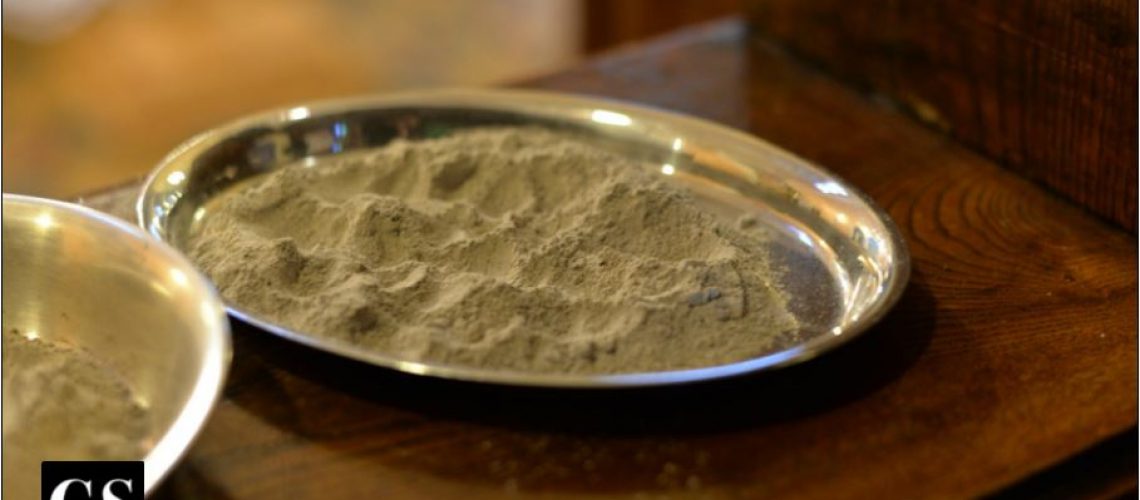
“Remember, Oh man, that thou art dust, and unto dust thou shalt return.”
This phrase from the Ash Wednesday liturgy – the Consolatio – may be the most durable memento mori still in common use. Latin for “remember you must die,” it dates back to Imperial Rome, when a slave traditionally followed a triumph procession whispering this warning to the successful general or Caesar being celebrated.
The concept goes back even further – to the ancient Greeks and especially the Stoic philosophers. It has waxed and waned over the years, but is still powerfully present today in the many ways of celebrating All Souls, and All Saints days, from the Mexican Day of the Dead (Dia De Los Muertos) to the increasingly secular (even pagan) Halloween.
Reminders
As we age, our bodies begin to provide their own memento mori. Past a certain age, children (especially boys of boisterous temperament) seem to bounce rather than fall. Years later we begin to fall rather than bounce, and eventually, falls become serious enough in potential for questions about falling to become a routine part of a visit to the doctor.
Ironically, I recently had a check-up with my doctor and cheerfully answered the “Do you fall” question with a “Nope!” Three hours later I tripped on a porch step and smashed my knee into a concrete driveway. This led to an appointment with the orthopedist several days later where the accumulated fluid was drained from my knee and I was given an injection of cortisone.
Memento mori. I definitely no longer bounce; I splat.
Memento mori is a feature in art, the character changing over the centuries but the symbols recognizable – from clocks to skulls to dirges and elegies.
Even the most modern of music, such as Carbon Leaf’s Reunion Monticello continue the use of memento mori:
“And bones are everywhere, aren’t they? What do you think they’d see through those trees? ‘Resurrected Spirits Dancing,’ you don’t say!? (The minstrel’s new arrangement of History)
We danced and drank the sun! It overflowed and washed the past away. We roamed! Echo! Laughter! Spirits danced a jig around their graves . . .”
. . . Then came the rain.”
Hope
For the devout, however, the memory of death can always be transformed through the hope of the Resurrection:
We do not want you to be unaware, brothers, about those who have fallen asleep, so that you may not grieve like the rest, who have no hope.
For if we believe that Jesus died and rose, so too will God, through Jesus, bring with him those who have fallen asleep.
Indeed, we tell you this, on the word of the Lord, that we who are alive, who are left until the coming of the Lord, will surely not precede those who have fallen asleep.
For the Lord himself, with a word of command, with the voice of an archangel and with the trumpet of God, will come down from heaven, and the dead in Christ will rise first.
Then we who are alive, who are left, will be caught up together with them in the clouds to meet the Lord in the air. Thus we shall always be with the Lord.
Therefore, console one another with these words [1 Thessalonians 4:13-18].
Do not confuse the theological virtue of Hope with emotional hope. Emotional hope is a wishful desire, such as the child’s “I hope I get a new bicycle for Christmas.” The theological virtue of hope is described in the Catechism of the Catholic Church in sections 1817-1821. It involves an effort of will, “placing our trust in Christ’s promises and relying not on our own strength but on the help of the grace of the Holy Spirit.”
Life Eternal
This is the transforming power of theological Hope, which meets memento mori and springboards us through the valley of death and into the uplands of Heaven. When we encounter death at any remove we can be gripped with fear or melancholy or despair. But the Hope of the Resurrection can transform all these sorrowful feelings into a confident calm based on the firm foundation of what we have received from the Gospels and from the accumulated teachings of the Church.
Shakespeare projected this confidence from his Christian world into the mouth of Caesar in his play “Julius Caesar” (Act 2, Scene 2):
Of all the wonders that I yet have heard,
It seems to me most strange that men should fear,
Seeing that death, a necessary end,
Will come when it will come.
When it does come, we are forced to say goodbye to this life, but then we enter life eternal, a state of existence that scripture, poetry, art and prose have striven to capture but failed, only managing a mere reflection of the splendor and glory of what we are promised through the Resurrection.
For a prayer this time I include one of John Donne’s poetic prayers, Bring Us O Lord God
Bring us, O Lord God, at our last awakening into the house and gate of heaven, where there shall be no darkness nor dazzling, but one equal light; no noise nor silence, but one equal music; no fears nor hopes, but one equal possession; no ends nor beginnings, but one equal eternity: in the habitations of thy majesty and glory, world without end. Amen.




5 thoughts on “Memento Mori”
Pingback: SATVRDAY EDITION – Big Pulpit
I love all. I never thought of Halloween, originally hallows eve, as being pagan. It gave me a well deserved chuckle. I myself have been always losing my balance and falling. After years like that I am finally walking, with a walker but I’m walking. Same was true for my faith. My mindset was clouded with anger, resentment and fear. Meditation and serious digging deep into the caverns of despair, doubt, and doom. Now I welcome my enemies into my heart, that’s what forgiveness means to me. I found a life changing path with Contemplative Prayer. Stability in our hearts and minds comes from Our healer within, God.
Thank you for your kind words.
Halloween’s roots are in Samhain and reflected from Walpurgisnacht, among other things. The secular elements have become more pagan than when I was younger, or so it seems to me. But then lots of things seem to increase as we age.
I give thanks for your blessings and healing!
Even so, Jesus wept.
The means of dying may be terrible, and of course we miss them sorely.
Very much so. I write a good game, but I expect I’ll fight it when it comes as hard as I can.