

Yesterday is history, tomorrow is a mystery, today is a gift of God, which is why we call it the present (Bil Keane, American cartoonist).
Living in the midst of a pandemic, which does not have a foreseeable end in sight, and strict self-isolation measures in place have served to highlight certain things that may not have been as outstanding during more normal times. Some have been very good: recognizing the importance of essential workers; what jobs have in fact been deemed as essential work during this extraordinary time; the need to protect the most vulnerable in our society, among others.
Some have not been so good: the apparent co-relation between material possessions and personal security; the insistence of a relatively smaller part of the population to flout the rules put in place to manage the spread of the coronavirus because of a disordered love for their “freedom” to do what they want when they want; the animosity and negative backlash on those of visible Asian ethnicity because of the pandemic.
The good and the bad share the common causes of fear, insecurity, and uncertainty. In some cases, there is also anger, and for others a certain degree of arrogance. Altogether, the circumstances and events of these times we live in seem to bear down hard on our personal integrity and our shared humanity. How do we get through all of this and remain unchanged or unscathed? The answer is – we do not. We are changed, that is for sure. How we are transformed is up to us, on one hand, and on the other hand, it is up to whomever it is we place our trust and hope on.
The Essence of Essential Work
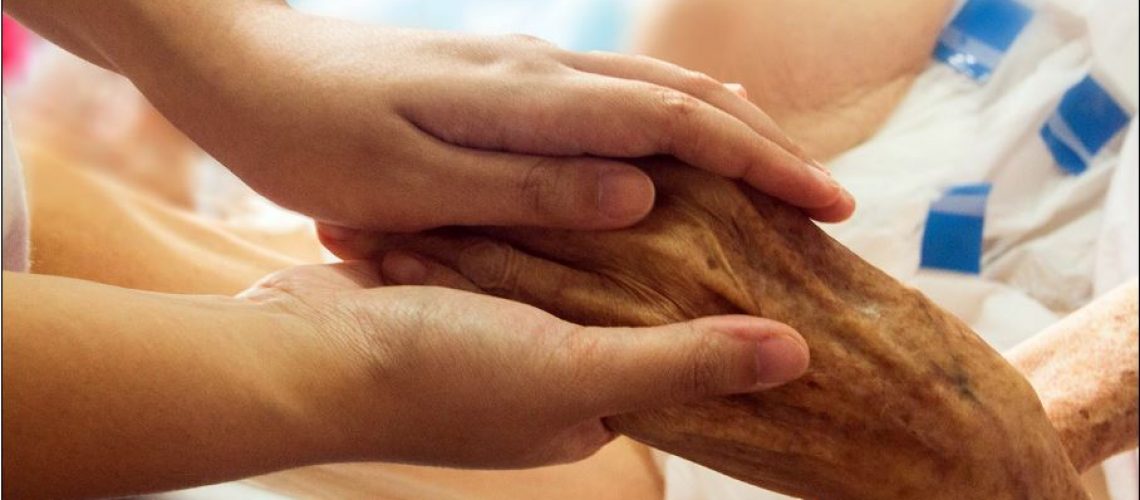
The concept of servitude or service in this day and age is not an appealing one for many. It involves physical labour and for some, that alone is enough to make it unattractive. These days, however, it is precisely these jobs that are generally considered to be essential work. There are nurses and doctors, personal support workers, and caregivers at long term care facilities. The list is not limited to healthcare workers, of course. Circumstances have made it so that now essential workers include grocery workers, truck drivers and couriers, the cleaners, and anyone whose job helps make it possible for the rest of us to stay at home and hopefully be safer.
This is what is at the heart of the matter. Their work is essential because what they do allows for the very basic and necessary care of many others. At the centre of essential work is the human being, and in many cases, it is people who are especially vulnerable during this pandemic. What is interesting and important to note is that essential work involves the necessary care of others, as well as the equally important care of those who serve and provide this essential work.
Failing and Falling Through the Cracks
In watching the news, it is not uncommon these days to see concerning reports about long term care facilities and nursing homes whose caregivers seem to have gone AWOL. There are those who refuse to go into work, fearful for their health and safety. In Canada, half of those infected with the coronavirus are those from outbreaks in long term care facilities. In Ontario, the province in which I live, a report released on April 23, 2020, indicates that about 66% of deaths related to COVID-19 are from outbreaks at long term care facilities. Our Prime Minister himself has said, “We are failing our parents, our grandparents, our elders.” How has this come to be?
There are analysts and experts who say we were not as prepared for this pandemic as we should have been, had we taken lessons learned from the time of the SARS outbreak over 15 years ago. Materially and logistically, it would seem that way. Personal protective equipment is at an extreme premium, with governments scouring the planet for more which their own healthcare workers’ needs. Hospital space, ventilators, federal emergency supplies, and protocols in place make up this very scenario that is playing out right now in real life. This is not a hypothetical what-if situation. The numbers we see are actual people who have been infected, who have died or recovered. For those who care for the sick and the dying, this is an in-your-face moment that they will not forget soon. None of us should.
What Was: A Lack of Interior Preparation
There is no doubt that many analyses will be made of what went wrong, what was lacking, and what could have been done better regarding this pandemic. For me, there are three things that markedly stand out in consideration of this time in our lives:
- The lack of spirit of sacrifice and appreciation for such;
- The due importance is given to service;
- Care for and respect of human beings, especially those who are vulnerable in our communities.
This is not an attempt to pin blame on people, but a reflection on how we as very busy people living in a fast-paced world, find ourselves in a pandemic and have reacted the way we have. What we see in each other during this extended period of extreme measures and uncertainty is what has come about after years – and perhaps even generations – of what many may consider a “good and progressive living”
Parents of young children teach and train them from a very young age to do certain things according to what they believe in and practice. This is true for diet and exercise, relationships, and how to deal with others, study and work, home life, and faith, among many others. While we remind our children to say “Please” and “Thank you,” perhaps a deeper sense of respect and compassion for others is more needed. We tell our kids that is good to share, but many times we ourselves “share” from our excess and “overruns.” It is difficult to talk about or even conceive of sacrifice – much less encourage it – when we are so used to having more than enough and not wanting for much. Our attitudes did not come about overnight, magically appearing from nowhere. These are built up over time, with practice, consciously or otherwise.
Feet Made for Walking
During the Mass of the Last Supper, the washing of the disciples’ feet by Jesus is recalled in the gospel according to John:
Jesus, knowing that the Father had given all things into his hands, and that he had come from God and was going to God, got up from the table, took off his outer robe, and tied a towel around himself. Then he poured water into a basin and began to wash the disciples’ feet and to wipe them with the towel that was tied around him. He came to Simon Peter, who said to him, “Lord, are you going to wash my feet?” Jesus answered, “You do not know now what I am doing, but later you will understand.” Peter said to him, “You will never wash my feet.” Jesus answered, “Unless I wash you, you have no share with me (John 13:3-8).
Why on earth would anybody want to wash someone else’s feet? This was not the act of a lord or master or anybody important. Rather, it seemed to be something, which those on the lowest rung of the social ladder would be qualified to do. For Jesus, though, it was not just an act of service, but one of love. He loved these imperfect men whom He had called to follow Him and be fishers of men. There was no room for pride and one-upmanship around the table of the Lord, and there still is none to this day.
“Unless I wash you, you have no share with me.” Unless we accept the Will of our God and make it our own, we shall have no share with Him. Feet are made for walking, working, and doing the good we can and ought to do. We are made for God, and in God, sacrifice and service are not alien words. They are part and parcel of the loving call we receive to follow Him. Several hours after He washed the feet of his disciples, Jesus was nailed to the Cross and died, treated no better than a common criminal. What makes this divine scenario so compelling is the fact that it did not end in a tomb. It continued onto Easter Sunday and the resurrection of our Lord, the very foundation of our faith, hope, and love as Christians! This must be what we base our lives on what we do, what we say, how we treat each other, how we love.
What Will Be: All For Love
There are a lot of improvements which can be made to laws and regulations, policies, and procedures, especially when the number of people who have perished and suffered in this pandemic is seriously considered. For we who may be ordinary people, and for those who hold positions of power and authority – we must remember that at the heart of all the work that takes place anywhere and everywhere is a human being. Those who are cared for and need help, as well as those who serve and care for others – every single one is a person. At the heart of service is a person who serves and another who is served.
Whether one is Christian or not, this is a basic fact. When the bottom line is profit or convenience, prestige, or ambition, we lose sight of those who are vulnerable. In truth, when this happens, even those who serve and who care for others become vulnerable themselves. We see this happening now with essential workers who suffer the long, brutal hours of caring for one sick patient after another, afraid of getting sick themselves. Have we helped the helpers enough? It may be tempting to judge those who profess to be scared or unwilling to expose themselves to an infectious disease. Yet, we should try our best to resist this impulse. We must be mindful of their own worries and fears. We must care for each other.
By this everyone will know that you are my disciples, if you have love for one another (John 13:35).
For we who are followers of Jesus, who ask ourselves what He Himself would do in any situation we face – we are called to love. An act of service can be an act of love. This is what we must aim to live our lives by, with our family, our friends, and co-workers, and those in our community, whether they are familiar to us or not. Every single person counts, and in these days of this pandemic, we are learning this more acutely.
What Is: A Present from God
Certainly, this pandemic itself, however it came to be, is far from something one could ever imagine being grateful for. Yet, the opportunities it has created for us to give greater importance and significance to each human being, as well as the care and dignity each deserves, are very much present and real. The pandemic may not be so, but we could be and are in fact God’s gift to each other – if we love the way Jesus loves and do the good we can and ought to.
Let us focus on the here and now: the ones around us who may be feeling lonely and anxious, those who may be upset and confused and need someone to listen to them and be comforted, and perhaps those who are questioning if God has somehow forgotten them in all of this and need to be lovingly reminded and consoled of His divine providence. When we love as Jesus loves, we ourselves become Christ Himself to others.




4 thoughts on “At the Heart of Essential Work in a COVID-19 World”
The doctors and nurses need to be held accountable for promoting the virus hoax. They help destroy many lives. And now with the vaccines.
In this situation, Trump is a failure too. He has done nothing to stop the insanity. This is about more than medicine, which no one seems to understand. There’s no reason to trust those who have proven themselves untrustworthy.
I stopped reading at “the insistence of a relatively smaller part of the population to flout the rules put in place to manage the spread of the coronavirus because of a disordered love for their “freedom.” It is in times such as these that freedom must be defended even more vigorously than usual. God did not put those rules in place– fallible men of highly questionable motivation did.
A Trumpian (and of course not a Catholic) response. Leave medicine to the physicians and don’t let your spouse and children suffer because of your personal insecurities.