

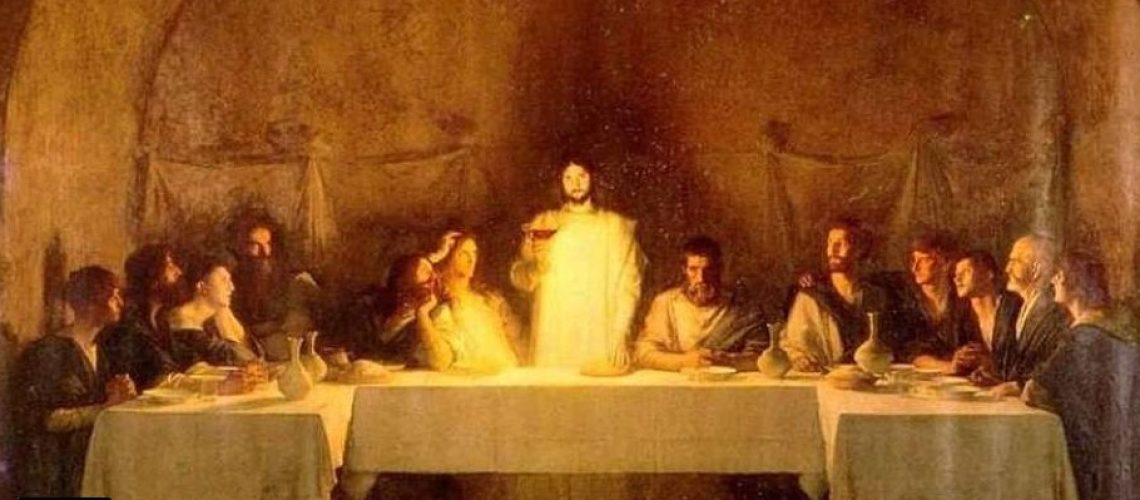
Participating in Holy Communion signifies the fellowship we share with the Lord Jesus and the Church. This practice is rooted in the Last Supper, which Jesus Christ had with His disciples. It serves as both a remembrance of His sacrifice and an anticipation of His return. It is the place where believers express their faith and receive God’s grace.
The shared bread and wine symbolise the new covenant established through Jesus’ sacrifice, creating a bond of connection among those gathered. We come to reflect on our shared journey of faith and the unity we find in Christ. By partaking in the Lord’s Supper, we publicly profess our faith in the Lord Jesus and remember the ongoing work of the Holy Spirit in our lives. We view this as a privilege and a sign of God’s favour and acceptance—a reminder that salvation is a gift, not earned through merit.
Fellowship at the Lord’s Table represents our unity as believers in Christ and the shared experience of being part of the body of Christ. Here, we remember Jesus’ sacrifice on the Cross and His continuing presence in our lives. We contemplate the meaning of Jesus’ death and resurrection. We anticipate the return of the Lord Jesus and the fulfilment of God’s promises. God’s grace and forgiveness are offered to all who come to the Table in faith. It is an opportunity to reflect on our relationship with God and to seek His guidance.
Therefore, we must prepare ourselves through self-examination before participating in the Lord’s Supper, so that we may approach the Lord’s Table with humility, joy, and a spirit of gratitude. However, being seated at the Lord’s Table also carries a responsibility to live a life that reflects the values of Christ. It calls us to walk in obedience, love, and service to others, demonstrating the fruit of the Holy Spirit in our lives. Our experience at the Lord’s Table should encourage us to live in ongoing fellowship with God and with one another.
Marked Seats
The invitation to be seated at the Lord’s Table is extended to those who believe in the Lord Jesus Christ and trust in Him. Imagine arriving at the Lord’s Table and discovering a seating plan. As you search for your assigned seat, take note of who else will join you. The Lord’s Seat is clear, but the guest listing might be an interesting reveal.
- Peter was impulsive and bold, yet intensely loyal. Though he denied Jesus three times, he felt deep remorse, and his repentance ultimately led him to a position of leadership in the church. His seat reads, The Rock.
- Andrew was humble and selfless; he was known for bringing others, including Peter, to Jesus (John 1:41-42). His seat reads, The Selfless.
- James, son of Thunder, was zealous and ambitious. His courage ensured he would become the first apostle to be martyred for his faith (Acts 12:2). His seat reads, The Courageous.
- Judas was greedy and deceitful. Although his betrayal of Jesus fulfilled prophecy, his actions ultimately led to his regret and demise. His seat reads, The Imperfect.
- John was compassionate and loyal. He lived a long life, devoting himself to love and the pursuit of truth. His seat reads, The Beloved.
- Philip was practical and inquisitive. Even though he was with Jesus from an early age, he disappointed the Lord because he did not understand that seeing Jesus was equivalent to seeing God the Father (John 14:9). His seat is marked, The Intercessor.
- Nathanael (also known as Bartholomew) was honest and straightforward. Jesus described him as “a true Israelite” (John 1:47). He was the first to call Jesus “Son of God” (John 1:49). His seat reads, The Sceptical.
- Thomas sought to resemble his master, which earned him the nickname “Twin.” He was both cynical and courageous. His doubt led to a powerful declaration of faith (“My Lord and my God!”) when he saw the resurrected Jesus (John 20:28). His seat reads, The Doubter.
- Matthew, also known as Levi, was a humble tax collector. His meticulous record-keeping is believed to have contributed to his authorship of the Gospel, presenting Jesus as the fulfilment of Old Testament prophecy. His seat reads, The Repentant.
- James, son of Alphaeus, was also known as “the Less.” He was quiet and unassuming, yet very faithful. Not much is written about his life in the Bible. His seat reads, The Obscure.
- Jude, also known as Thaddaeus, was a brother of St. James the Less and a relative of Our Saviour. He is known for asking Jesus why He would reveal Himself to the apostles but not to the world (John 14:22). His seat reads, The Inquisitive.
- Simon, also known as the Canaanite, was passionate and determined in his beliefs, earning the nickname Zelotes. He demonstrated that Jesus’s message could unite people from different backgrounds. His seat reads, The Zealous.
- Paul was initially a persecutor of Christians. However, after a dramatic conversion experience, he passionately committed to spreading the Gospel and made tireless efforts in evangelism, even in the face of hardship. He was a prolific writer, debater, and public speaker. His seat reads, The Influencer.
- Barnabas was known for his generous and encouraging nature, particularly in his relationship with Paul. He was a bridge-builder who helped overcome the disciples’ initial scepticism towards Paul after his conversion. His seat reads, The Encourager.
As you turn to continue searching for your seat, you hear St. Paul teaching the Church at Corinth (and we, Christians) what the Lord’s Table is all about (1 Corinthians 11:17-34). The way the Christians at Corinth (and perhaps even we) approach the Lord’s Supper does not sit well with Paul. First, he decries their deplorable behaviour (vs 17-22).
- There Are No Divisions
Whereas gathering together is not to be neglected (Hebrews 10:25), it must be for the better, not for the worse. Unfortunately, their gatherings were known for divisions (vs 17-18). Paul pleads that they should speak the same language and be perfectly joined together in the same mind and the same judgment (1 Corinthians 1:10-17). Divisions, discrimination, and disunity arise because quarrels and conflicts soon become contentious. Much as factions may reveal who truly belongs to God (vs 19), Christ cannot be divided because He does not belong to any one party and His church cannot have parties centred around men.
- There Is No Selfishness
Seating at the Table should not be about eating (vs 20). There is no room for shameful behaviour at the Lord’s Table (vs 21) because selfish conduct disgraces the traditional observance of the Lord’s Supper. It is unacceptable that some go hungry while others get drunk at the Lord’s Table (vs 22).
- This Is An Instituted Tradition
The Lord’s Table is not a made-up thing; it was indeed received from the Lord(vs 23). Paul emphasises that this is a place of remembrance of the events of the night when Jesus was betrayed and later crucified. This communion service recalls what the Lord Jesus said about the meaning of His Death, highlighting the significance of the bread and the importance of the cup.
The breaking of the bread symbolises Jesus offering Himself on the cross for us (vs 24), a sacrifice made because of our rebellion and defiance of God. Jesus offered Himself and bore the punishment in our place. And so, every time the bread is broken and handed over to us, it reminds us that the Lord Jesus offered Himself as a sacrifice for us.
The cup symbolises the Lord Jesus creating a new covenant in His blood (vs 25). The Old Covenant was based on the people’s commitment to the law. The New Covenant establishes permanent promises with God’s people based on Jesus Christ’s perfect performance for them. And so, every time we pick up the cup, it reminds our hearts that God doesn’t relate to me based on my level of commitment or performance, but on Christ’s perfect performance and pure blood.
- This is A New Covenant
The Death of the Lord Jesus initiated a new covenant relationship with God (Jeremiah 31:31-34), in which the covenant people are bound together by responsibilities to God and one another and the character of which is shown forth in the sharing of the meal. Paul spotlights the Death of the Lord Jesus as the central meaning of the Lord’s Supper (vs 26). Therefore, we do not need to perform or prove ourselves. He invites us to be seated at the Table because He sees us through the lens of the New Covenant in the Blood. Every time we come to the Table, we preach our desperate need for Christ’s sacrifice on the Cross and the established permanent, unbreakable covenant relationship.
- We Must Reshape the Practices
Whoever wishes to be seated at the Lord’s table must take heed of the reverence required; the Lord’s Table is a place of repentance (v27-34). The need to examine oneself before partaking in communion ensures a sincere and reverent approach to the sacrament. We examine ourselves for our actions and motivations before the Lord and come in humble repentance to be met with a welcome embrace. We recognise that the bread and wine are not merely symbols, but represent the body and blood of Jesus, and signify the sacrifice He made for humanity (vs 29). We should not bring judgment upon ourselves just for the sake of food; we must participate in the Lord’s Supper with proper reflection and repentance, as this can lead to judgment and potentially result in illness or death (vs 30).
The Lord God may mercifully intervene with discipline or judgment, even temporal ones, to guide those who are not living by His will (vs 31-32). Seating at the Table means showing respect and consideration for all present, and ensuring that the gathering is focused not on the physical but on spiritual nourishment (vs 33-34).
Take-Home Message
Seating at the Lord’s table should transform our lives and bear fruit. We look to Christ in faith and bear the fruit of believing in the gospel of salvation. We live sacrificially (modelled on Christ’s death) toward one another as we remember Christ’s broken body and shed blood. We live hospitably toward one another, waiting on and for one another. We reflect upon how to show Christ Jesus’s love, hospitality, and provision to fellow believers (and others): what burdens we can help one another carry; how we can encourage one another; where we can build relationships with fellow members of Christ’s Body; how we can serve one another practically; and where we can use our riches and strengths to the benefit and building up of others. We pray that the Lord gives us the grace to follow in His footsteps and the example of being seated at the Lord’s Table.
PS: Did you finally locate your seat? What did it read?
*NB: Unless specifically stated, all Bible quotations are from the NRSVCE.





3 thoughts on “Seated At The Lord’s Table”
Pingback: SVNDAY AFTERNOON EDITION - BIG PULPIT
And then there’s ‘Oh Lord, I am not worthy but only say the word and my
soul shall be healed’ – this seat is labeled ‘grateful’
😊🙏🏾