

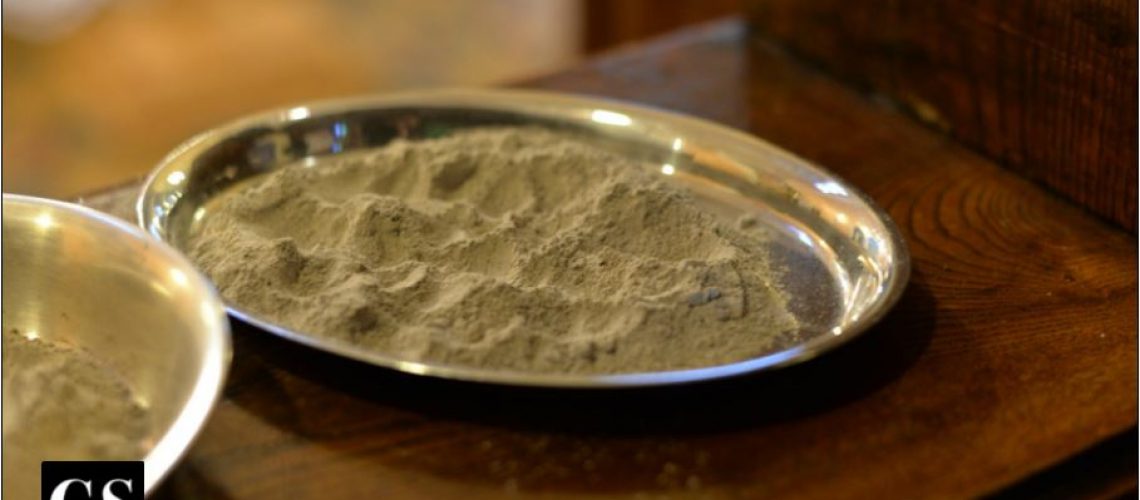
Athletes and Catholics are similar in that they have two main seasons – pre-season and in-season. In this analogy, the liturgical year periods of Christmas, Easter, and Ordinary Time are the in-seasons for Catholics. That makes Lent and Advent our pre-seasons.
Pre-season is all about preparing. Athletes work on building up their strength and endurance. They aren’t yet ready to perform in competition, but they are doing what is necessary to refresh, retrain, and get in shape for what is soon to come.
For Catholics, the pre-seasons of Lent and Advent, are about refreshing pious practices and retraining their faith beliefs and theological understanding. They are doing what is necessary to get in spiritual shape for the big event to come, be it Easter or Christmas.
Pre-Season Actions To Take
Many of the faithful during the pre-season of Lent take various actions to increase or resuscitate their awareness of Christ and His sacrifice. They may add attending weekday Mass to their schedule. They may start praying the Rosary. Or perhaps they make reading Scripture a new, daily routine.
Other Catholics, however, may focus their pre-season training on a self-examination of their sinfulness. They repent and ask forgiveness by participating in the Sacrament of Confession.
But fasting is one discipline not practiced enough during pre-season. This act of self-denial can be a perfect way to refresh, retrain, and get in shape for the in-season of Eastertime.
A powerful result of fasting is it breaks up fleshly desires that often keep one from desiring only God. A person can better curb one’s disordered appetites if he or she employs acts of self-denial.
Catholics should be both followers of our Lord and evangelizers for our Lord. But disordered appetites are a big roadblock to fulfilling these purposes. These could be sins of lust or gluttony. Instead of allowing sex or food consume us and be our biggest desire, we need to allow the Spirit of God to consume us and be our guide.
Fasting Has Many Benefits
Fasting takes one’s mind off of one’s own needs, thus providing the opportunity to focus on feeding one’s soul. Uncontrolled desires form most of a person’s bad habits. Forgoing a meal or giving up food for an entire 24-hour period strengthens one’s self-control. This could help in the future with controlling other desire – from limiting gossiping to refraining from viewing pornography.
Fasting is a form of mortification that helps us to stay focused on our Lord rather than upon our fleshly temptations. When we fast, we are going against what our flesh desires. When we go against what our flesh desires, we build up our interior strength and endurance.
God likes it when His sons and daughters discipline their bodies and appetites by suppressing desires and practicing abstinence. By engaging in fasting on a regular basis as a form of self-denial, a Catholic is getting closer to God and growing more spiritually.
In short, the benefits of fasting are similar to those gained from other pious actions. Fasting is like daily prayer, consistent reading of the Scriptures, and regular participation in the Sacrament of Confession.
Spiritual Effects of Fasting
St. Francis de Sales said this about the spiritual and virtuous effects of fasting:
” . . . for besides the ordinary effect of fasting in raising the mind, subduing the flesh, confirming goodness, and obtaining a heavenly reward, it is also a great matter to be able to control greediness, and to keep the sensual appetites in the whole body subject to the law of the Spirit. And although we may be able to do but little, the enemy (Satan) nevertheless stands more in awe of those whose he knows can fast.”
Pope Benedict XVI wrote in his 2009 Lenten message that:
“. . . fasting represents an important ascetically practice, a spiritual arm to do battle against every possible disordered attachment to ourselves. Freely chosen detachment from the pleasure of good and other material goods helps the disciple of Christ to control the appetites of nature, weakened by original sin, whose negative effects impact the entire human person.”
Jesus not only fasted Himself, but He insisted that His followers fast. When speaking to His disciples about fasting (Matthew 6:16-18), Jesus didn’t say, “If you fast…” He said (twice), “When you fast…” This infers an obvious expectation to fast.
“When you fast, do not look gloomy like the hypocrites… But when you fast, anoint your head and wash your face, so that you may not appear to others to be fasting, except to your Father who is hidden. And your Father who sees what is hidden will repay you.”
Push Yourself Beyond the Basic Expectations
Unless one has a medical condition that prohibits it, it would be beneficial for Catholic adults to pledge to elevate the amount of fasting they perform compared to the Church’s minimal expectations. The Church stipulates:
- Everyone 18 or older, and under 59 years of age, is bound to fast on Ash Wednesday and Good Friday.
- On Ash Wednesday and Good Friday, only one full meatless meal is allowed. Two other meatless meals may be taken, but together they should not equal another full meal.
Elevating the level of sacrificing is a good way during the pre-season of Lent to get in spiritual shape. One will more intensely feel a mortification if he or she goes beyond the current, anemic regulation of “don’t eat three full meals” for what is just five percent of the Lenten period.
Stepping up the intensity a notch could consist of fasting for 20% of the 40 days of Lent. This could mean making every Friday a fast day, instead of just Good Friday and Ash Wednesday.
Taking it up another notch more redefines what “fasting” looks like. Instead of “eat one full meal and two smaller meals” during the day, how about ‘refrain from eating any food for at least 20 straight hours.’ (But one may still have low or no-caloric fluids.)
An example of this would be no food after dinner on Thursday night at 7pm until dinner on Friday, around 5pm. In early Church history, this type of sacrificing meals was a “black fast.” Today this type of fasting has become a popular health practice called “intermittent fasting.” It can even provide physical benefits such as weight loss, stabilization of insulin levels, and reduction of inflammation.
Of course, Jesus’s reason to fast 2,000 years ago, and Catholics’ reasons to fast in earlier generations, were entirely spiritual. They were never about a need to drop some pounds. Denying oneself food on a repeated, continuing basis has always been a powerful, penitential practice that bestows great benefits upon the soul.
Three Reasons to Fast
A person who restricts intaking food and drink for an extended amount of time is getting in spiritual shape.
One of the greatest doctors of the Church, St. Thomas Aquinas, says, in the Summa Theologica we should fast for three beneficial reasons. These reasons are “the deletion of sin, and the raising of the mind to heavenly things,” and “to bridle concupiscence.”
Don’t underestimate the value of fasting. Duty and obedience are often what sanctify us. It is not very likely that only keeping to the Catholic Church’s minimal fasting regulations and only doing this on two of the 40 days of Lent will help one grow spiritually. But increasing the intensity and commitment by fasting for longer hours and additional days will more likely bestow spiritual riches during this upcoming pre-season prior to Easter.
With Jesus, the Saints, and earlier generations of Catholics as our models, we should strive to make tougher sacrifices. In this way, our mortifying and suffering are turned into offerings to our Lord.
The “Prayer to Grow With the Church Year” reminds Catholics of the importance of getting in spiritual shape during the pre-seasons of Lent and Advent.
O Lord Jesus, I know that all human relations take time if they are to grow and deepen.
This is also true of my relations with You, the Father, Son, and Holy Spirit, which must grow over the course of my life. However, this growth is not automatic; time alone means nothing unless I add earnest efforts to it.
You have inspired Your Church to set aside special times when this growth can develop more intensely – the special seasons of the Church Year. If I fail to move toward You during these times, I waste precious opportunities and endanger my spiritual life. Help me to take them seriously and make a real attempt to use them well, so that I may grow into the person You want me to be.
Amen.




3 thoughts on “Lent Is Like ‘Pre-Season’ Training”
Pingback: TVESDAY EVENING EDITION – BIG PVLPIT
What a beautiful analogy — comparing Lent to pre-season training really puts the spiritual discipline into perspective. Just like athletes prepare their bodies and minds for the season ahead, Lent gives us a chance to strengthen our faith and focus on what truly matters. This kind of reflective storytelling is so powerful and deserves to be shared more widely.
Thank you!