

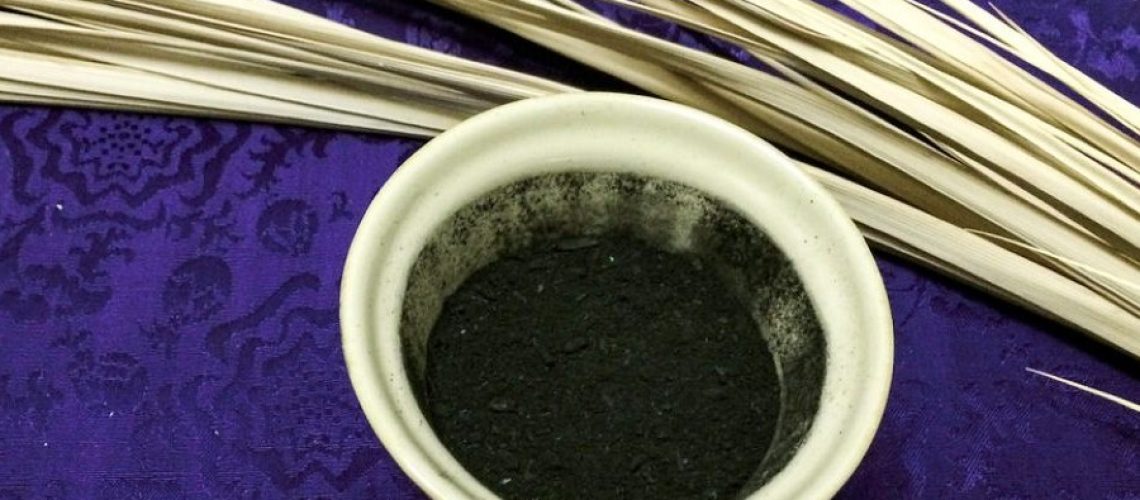
Lent always begins with a sobering reminder: Remember you are dust, and to dust you shall return. It’s a season that strips us down to what matters, and if we allow, it forces us to examine ourselves in the presence of God. Are we growing closer to Him? Are we reflecting His image? Or are we letting the world, our vices, our distractions, distort that image?
We talk about being made in the image and likeness of God, but how often do we stop to ask what that really means? The Catechism tells us that what makes us most like God is not our ability to think or create or even love—though those are all important. At the core, we bear God’s image through three distinct capacities: self-knowledge, self-possession, and self-gift.
Lent, in its wisdom, calls us to cultivate these. We are meant to spend these forty days growing in our awareness of who we are (self-knowledge), mastering our passions so we can choose the good (self-possession), and ultimately giving ourselves more completely in love (self-gift). If we take Lent seriously, these are the areas we must examine.
Let’s look at each of these three aspects of God’s image in us and how we can grow in them during Lent.
Self-Knowledge: Who Am I Before God?
The great saints all tell us the same thing: holiness begins with knowing yourself. St. Augustine famously wrote, “Grant, Lord, that I may know myself that I may know Thee.” St. Teresa of Avila went further: “Self-knowledge is so important that I do not care how high you are raised up to the heavens, I never want you to cease cultivating it.”
But self-knowledge isn’t just introspection; it’s learning to see yourself as God sees you. Not through the lens of pride or shame, but Truth.
Lent calls us into the desert, a place of silence where God speaks. The question is: are we listening?
Ways to Grow in Self-Knowledge This Lent:
- Daily Examination of Conscience: Before bed, ask yourself: Where was God present in my day? Where did I resist Him?
- Silence and Prayer: Set aside distractions—less scrolling, less noise, more stillness.
- Journaling: Write about what moves you, what angers you, where you feel God inviting you to change.
- Spiritual Direction or Confession: A priest or spiritual mentor can help you see blind spots.
Lent gives us the gift of honesty. But honesty isn’t just recognizing sin—it’s also recognizing where Grace is working. We are not just our failures. We are children of God, called to be more.
Self-Possession: Mastering the Heart
If self-knowledge is about seeing ourselves truthfully, self-possession is about having the strength to act on that Truth.
The world tells us to “follow our hearts,” but Scripture warns us: “The heart is deceitful above all things” (Jeremiah 17:9). Left unchecked, our desires, emotions, and impulses control us. We snap in anger, fall into temptation, avoid difficult truths. Self-possession is the virtue of discipline—of being in control of yourself rather than letting your desires, fears, or circumstances control you.
Lent is the great training ground for this. That’s why we fast. It’s why we give things up. Not because chocolate is bad, but because we must learn to rule ourselves.
A person who is ruled by their impulses cannot love well. Love requires mastery. It means being able to choose the good even when it’s hard.
Ways to Grow in Self-Possession This Lent:
- Fasting and Sacrifice: Choose something difficult to give up—not just for the sake of suffering, but to train yourself to say no to lesser things.
- Guarding Your Tongue: Speak less. Listen more. Resist complaining.
- Mortifications: Take cold showers. Wake up earlier. Delay gratification.
- Accountability: Find a friend or mentor who will challenge you in your spiritual discipline.
Lent reminds us: we are not slaves to our impulses. By fasting and discipline, we reclaim control, strengthening ourselves for what matters most—love.
Self-Gift: The Call to Love
The final and highest aspect of being made in God’s image is self-gift. We are most like God when we give ourselves in love.
Lent is not just about giving things up—it’s about giving ourselves away. It’s a season of almsgiving, charity, service. But true self-gift isn’t just about acts of service; it’s a disposition of the heart. It’s the ability to say, “My life is not my own. I am here to give, not take.”
The Cross is the greatest act of self-gift the world has ever seen. Christ held nothing back. Lent invites us into that same mystery.
Ways to Grow in Self-Gift This Lent:
- Acts of Hidden Charity: Do something for someone without seeking recognition.
- Forgiveness: Let go of old wounds. Ask for reconciliation.
- Visiting the Sick or Lonely: Lent is a time for works of mercy.
- Tithing or Financial Giving: Give beyond what is comfortable.
Love is costly. It will always require something of us. But as St. John Paul II reminded us, “Man cannot fully find himself except through a sincere gift of himself.” Lent is the time to test this—to give more, love more, and let ourselves be broken open for others.
Embracing the Image of God in you This Lent
Lent is not just a season of giving things up. It’s a season of becoming. It’s a time for deep honesty (Who am I really?), for strengthening the will (What must I master?), and for learning to love better (How can I give more?).
This Lent, don’t just focus on external sacrifices. Let them lead you inward. Take up the hard work of self-examination. Submit yourself to the discipline of self-mastery. Pour yourself out in love.
If we do this, we will not just go through Lent—we will be transformed by it. And that is the whole point.
For at the end of Lent is Easter. And Easter is not just about Christ’s resurrection—it is about ours.





1 thought on “Lent: A Time to Reflect the Image of God”
Very inspiring! Thank you.