

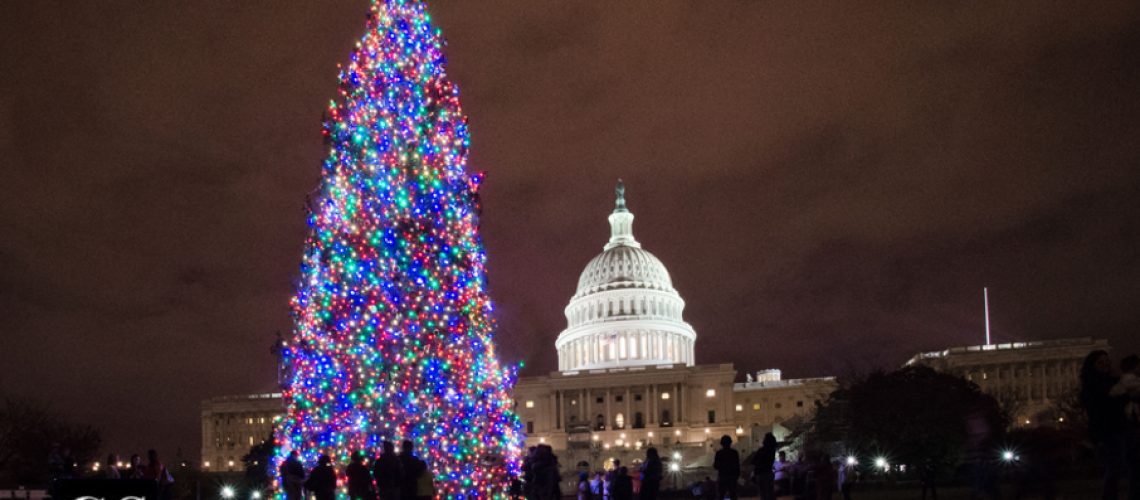
Four years ago I asked here are CS, is “Saying Merry Christmas an Act Of Defiance To The Secular Left?” This year I am asking that question in a different way.
A lot has changed in just the last four years. But one thing has stayed the same since 2020. The variety of reactions one could receive when saying “Merry Christmas” in a nation that is still predominantly secular has not changed.
There are, however, signs of a shifting tide. This is due to recent shifts in national politics, cultural perspectives, and corporate practices.
The Secular Left and “Merry Christmas”
Even in 2024, when you wish someone a “Merry Christmas,” they might still respond favorably or unfavorably. You might get annoyed reactions like “I’m not Christian, and that offends me,” “Bah humbug!” or a stony silence with a wry smile. For some folks, even this simple seasonal greeting has cultural meaning.
The secular left often sees the “Merry Christmas” greeting as an act of disobedience, since they long argued for fewer religious holidays in public spaces. For decades, they have advocated for “neutral” greetings such as “Happy Holidays” or “Holiday Displays” to replace religious feelings in schools, workplaces, and public places.
However, the political and cultural dynamics of the past few years have created additional challenges. For instance, significant changes have occurred with the recent national elections.
Today, a remarkable number of Christians, including many Catholics, are assuming prominent leadership positions. The incoming administration’s Cabinet choices, which are particularly religious, may signal a broader acceptance of religious traditions, including Christmas.
Could this change in leadership lead to a shift in the secular left’s stance on “Merry Christmas?” It’s something to think about.
DEI (Diversity, Equity, and Inclusion) and Woke Ideologies
Discussions on religion, culture, and holidays changed in recent years because of the emergence of “woke” beliefs. The formalization of Diversity, Equity, and Inclusion (DEI) initiatives definitely impacted our culture. Even though DEI proponents frequently prioritized diversity over explicitly Christian customs, some businesses are now reconsidering their strategy.
Interestingly, some businesses now view DEI programs that encourage cultural sensitivity as justification for embracing Christmas rather than downplaying it. They contend that being inclusive entails respecting all customs rather than doing away with some. This represents a significant shift from the animosity of previous years. It is a growing recognition that, despite its religious roots, Christmas has significant cultural value for millions of people.
The Business Reversal
Over the last ten years, several large retailers have used “Happy Holidays” marketing campaigns instead of openly celebrating Christmas. Consumers responded quickly and harshly, with boycotts that caused drops in sales over the holiday season. This economic reality has spurred a corporate reevaluation.
Today, big businesses like Home Depot, and Walmart, seem to be reviving classic Christmas motifs. This is reflected in advertising and store displays. Stalwarts like Hobby Lobby, on the other hand, continue promoting Christmas.
More companies are also selling nativity scenes next to Christmas trees. “Merry Christmas” is coming back as a significant part of branding. Religious themes are also reflected in ad campaigns.
One such example is Starbucks, which, after years of providing generic designs, returned to holiday cups with Christmas motifs. Meanwhile, Hallmark keeps offering Christian-themed holiday films that appeal to viewers who are yearning for traditional values and the holy elements of Christmas.
Political Correctness in Flux
Political correctness has long been viewed as a means of ridding public life of religious influence. “Merry Christmas” was characterized as exclusive by the secular left, who said that it excluded non-Christians. However, the current political and cultural landscape has made this story questionable.
The return of Christian representation in government is calling into question the idea that religious expression must be prohibited in public spaces. Political correctness still rules some institutions, of course. But it is becoming increasingly clear that banning religious greetings like “Merry Christmas” is an infringement on the rights of religious communities. It is not a way to achieve true inclusivity.
A Joyful Ignorance
As Christians, we celebrate Christmas regardless of cultural differences. As Dale Ahlquist put it back in 2015, “We are not celebrating Christmas to be countercultural.” We are happy because we are satisfied. We still say “Merry Christmas,” even though it can offend some, primarily because of the joy we feel.
Even today, Santa Claus kneeling in front of a nativity exhibit is a powerful symbol of the secular giving way to the sacred. It reminds us that the true purpose of Christmas, which is to celebrate the birth of Christ, is powerful and timeless, even in a culture that often attempts to downplay it.
One Final Thought
Would the secular left’s resistance to “Merry Christmas” diminish, considering the current political climate and the resurgence of traditional values in business and culture? We’ll learn in due time. “Merry Christmas” is still a joyful greeting, a religious holiday, and perhaps even a protest against secularism.
So, Merry Christmas again! During this season, may you feel joy, love, and the wonder of a Savior who came into the world for us.



3 thoughts on “Is ‘Merry Christmas’ a welcome tradition or a defiant cheer?”
Pingback: MONDAY AFTERNOON EDITION | BIG PULPIT
I wonder if the same thing happens when you say Feliz Navidad?
I do not know. I do not think that most Spanish-speaking people are anti-Christian. Thanks for the comment. Merry Christmas, DD