
Halloween is big business today. It has become the second biggest commercial holiday in the U.S. behind Christmas.
Billions are spent on costumes, decorations, and candy. Nowadays adults are participating in the holiday. Parents are dressing up in costumes much more lavish than their children. It is commonplace to see people’s homes decorated with spider webs and skeletons with green and orange lights in an attempt to make the house look haunted.
The Catholic roots of All Hallows Eve, brought to the United States by Irish and Scottish immigrants, seems to be forgotten. Halloween has become, very much, a secular holiday.
As evening approaches on October 31, families brace themselves for the onslaught of costumed children coming to their doors.
Who Actually Comes to Your Door
Each year on Halloween night, doorbells ring with excited children shouting out “trick or treat!” This is a fun time for children. They arrive in all sorts of costumes, eager for treats.
Many outfits are wholesome and inspiring. A little boy might show up as a fireman, complete with a red helmet and yellow coat. He represents bravery and service, rushing into danger to save lives. Or perhaps he dresses as an astronaut, with a shiny spacesuit and helmet. He embodies exploration and courage, dreaming of stars and discovery.
Then there are the animal costumes, like a puppy with floppy ears and tail. These bring smiles and remind us of God’s creation, innocent and playful. A princess in a flowing gown and tiara speaks of grace and kindness, like fairy tales where good triumphs.
These positive costumes highlight virtues one admires. They allow children to aspire to roles that help others.
But not all costumes are virtuous. A child might come as Imperial Storm Trooper, in white armor with Nerf blaster in hand. These villains from Star Wars are popular with boys, primarily due to the iconic costume.
Some of the costumes worn by children can be very alarming and nightmarish, like an ax murderer, draped in fake blood and wielding a plastic weapon. This character glorifies violence and fear.
Some kids may even dress as the devil himself, with red horns, a pitchfork, and pointed tail. This costume trivializes evil, making the father of lies seem fun.
Most people hand out candy to visitors wearing such costumes without much thought. However, would one invite these people into one’s house if they were real?
Who Should Children Aspire to Be?
The world around us shapes attitudes in subtle ways. Media, movies, and peers influence what kids see as desirable.
When a child picks a costume, the choice often mirrors deeper aspirations. If a boy picks a superhero, he might dream of strength and justice. A girl dressed as a doctor could aspire to heal others with compassion.
But worldly influences push in many other directions. Evil exists in the world, and evil is often portrayed as cool and desirable.
Movies regularly depict villains with clever lines and flashy powers. Video games often reward evil characters who bend rules to win. These attitudes can unknowingly seep into our homes. Costume selections may reveal what is influencing the heart of a child.
An Opportunity to Teach Virtue through Role Models
Halloween is an ideal time to coach children and actually parent. Coaching as a parent often means asking gentle questions to make a child think through his decision.
When a child is picking a costume, why not start by asking, “What draws you to this character?” Make the child think about why he is making the choice.
Take Darth Vader as an example. This outfit is striking with its black samurai style helmet, red lightsaber, and cape. But why wear a cool costume if the character is evil? Vader betrayed friends and destroyed planets. He may have redeemed himself in the end, but is that the reason someone chooses to dress up like the dark lord of the Sith?
Parents can suggest alternatives. Why not choose Luke Skywalker, who fought for good from the start? Helping children question their decision helps them build skills for discernment. Children will learn to see beyond superficial looks.
With this approach, Halloween can be used as tool of formation by turning costumes into conversations about character. Why not set the ground rule, “You can only dress up as someone you would let come into the house.”
A Catholic Approach
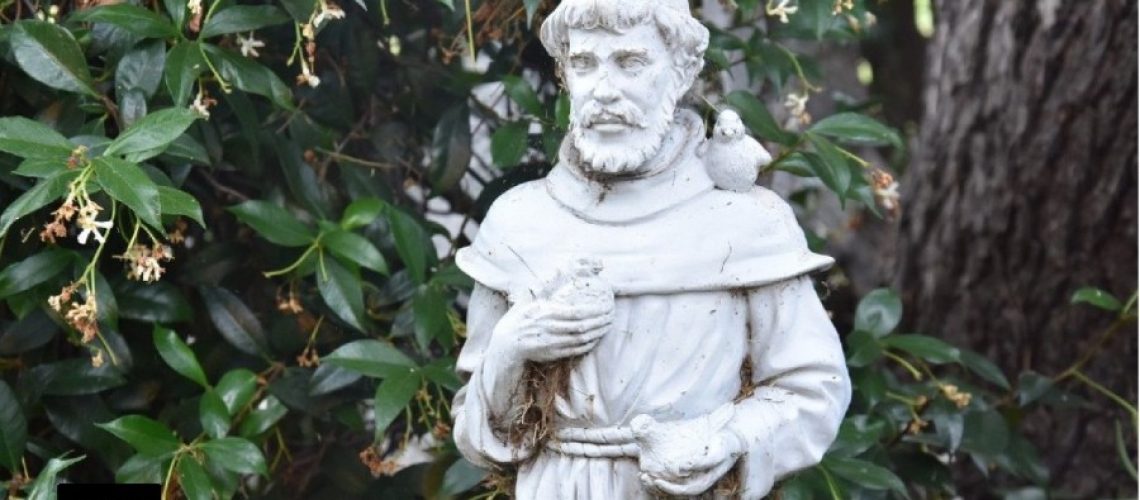
Parents could even go a step further and follow the tradition established in medieval Europe when people dressed as saints or angels. Why not have a child pick a saint that inspires them? This shifts focus from secular costumes to holy ones.
Moreover, this approach reclaims the holiday. Instead of witches or devils, children become witnesses to holiness by embracing role models from heaven, not the world. What better way to hand on the faith?
In our current culture, neighbors might ask, “Why would you dress up as a Saint on Halloween?” My response to that question would be, “Did you ask the same question to the kid dressed up as an ax murderer?”


[…] (Encompasses Halloween):Halloween – An Opportunity for Positive Role Models – Genesius at Catholic Stand […]