
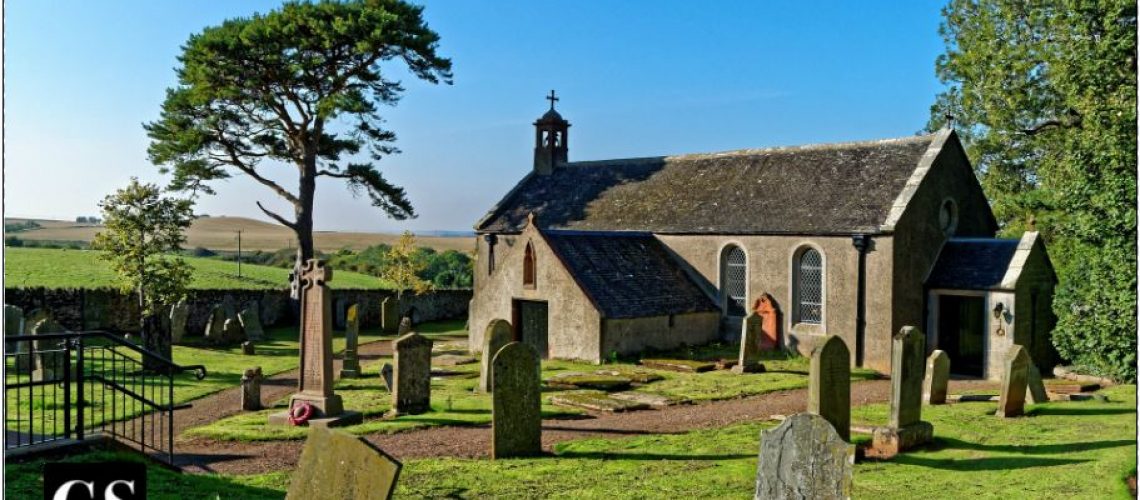
We who are on uncovered ground,
Voices sounding in the desert,
We the desert, we deserted,
We who are sure of our suffering.[i]
This Sunday, we met the organist at our parish for brunch after Mass. Sitting around the table in November’s golden sunlight, he told the story of the Cathedral’s ghost. The ghost plays the cathedral organ late at night. Our friend remembers rehearsing one night and staring in shock as the stops and keys of the organ played under unseen hands.
Spooky stories like these are everywhere. So many people have seen or heard an unexplained presence. We share our stories around sunny brunch tables or flickering campfires. But too often, we don’t really think about where our ghosts are coming from. Do they spend all of eternity hovering around the organ or lurking behind shower curtains? Do they come from heaven or hell? Are ghosts the atoning souls in purgatory or figments of our imaginations?
The Church doesn’t spend much time defining the nature of ghosts, but being intimately concerned with the salvation of souls, she does offer a few thoughts as to why God permits some departed souls to reach out and touch the living.
Our Happy Dead
So, where do ghosts fall in the Catholic understanding of the life of the soul?
At its basic definition, “ghost” simply refers to a disembodied spirit. In this sense, with only a few exceptions, most of the dead can be called ghosts or spirits. Human beings are a union of body and soul; after death the two are sundered until the Resurrection of the Body at the Last Judgement. Our souls, awaiting this reunion in heaven, purgatory, or hell, are ghosts – spirits without bodies.
Of course, we are rarely thinking of the saints in heaven when we think of ghosts. Most visiting saints tend to avoid playing organs or slamming doors – though St. John Bosco’s friend Luigi Comollo apparently slammed a few doors as his ghost came to reassure St. John. Still, saints don’t usually glide through walls or shuffle along long-unused corridors.
The history of the Church is full of stories of saintly ghosts – apparitions of St. Joseph, St. Martin of Tours, and others fill hagiographies. Saints appear to comfort, guide, or warn. They remind us of the necessity of prayer and offer their aid as we continue to strive towards heaven.
Our Restless Dead
Since the Church accepts such saintly apparitions, it’s easier to acknowledge that God might permit other people to visit as well. St. Thomas Aquinas in his Summa Theologiae writes that “According to the disposition of Divine providence (God’s will), separated souls sometimes come forth from their abode and appear to men…” So with St. Thomas on our side, let’s take a look at who our visiting dead might be, and why they’re here.
It’s long been held within the Church that God often permits the souls in purgatory to contact the living. In fact, in the Medieval Church, it was commonly held that on certain feast days the souls in purgatory had more opportunity to reach out to those still able to merit graces. Christmas Eve was one of the primary “haunted feasts” because “on that night … the souls relieved by the prayers of the living can rest.”[i]
The souls in purgatory often reach out to ask for prayers. Remember, it’s always kinder to assume that our beloved dead need our prayers as they prepare for Heaven. If we’re mistaken, and the dead are already in heaven, they’ll know how best to distribute those extra prayers. But how lonely to be in purgatory – unprayed for – while their family members ignore all opportunities to help!
Sometimes, the shadowy lady shuffling along the corridor is simply trying to call for prayers. When we see a ghost – whether they’re opening and closing doors or simply staring out a window – it’s an opportunity to act with charity. Take a moment to pray for the departed:
Eternal rest grant unto him O Lord,
and may perpetual light shine upon him.
May the souls of the faithful departed,
through the mercy of God, rest in peace. Amen.
Ghosts don’t only visit to ask for prayers, however. Often, the dead come to give advice as well. Perhaps you’ve heard ghost stories of the dead who cheerfully turn off ovens or ask the living to right some wrong. The souls in purgatory can’t merit anything for themselves, of course, but that doesn’t mean they can’t still care for the living.
Demons and Dangerous Ghosts
While visits from the souls in purgatory, and even saints, can be unsettling, many ghost stories are downright terrifying. Where do the angry spirits, vindictive ghosts, and truly terrifying hauntings come from?
Evil ghosts, according to St. Thomas, “through the malice of demons … endeavor to hinder man’s progress and … usurp a semblance of divine power by deputing certain ministers to assail man.” In other words, whether these are the ghosts of souls in hell or demons themselves, the vindictive and physically dangerous ghosts are acting as ministers of the devil.
Often, these haunting appear when someone in the household is engaging in with the occult. Ouija boards, tarot cards, and attempts to call up the dead often result in demonic impersonators. Hauntings of this sort might seem benign at first, but they quickly devolve.
Reasonable Warnings
The Church doesn’t teach officially on ghosts one way or the other. While many Catholics claim to have experiences with the dead, our fellow parishioners aren’t required to believe us. But the Church doesn’t leave any leeway when it comes to seeking out conversations with the dead.
Seances, mediumships, Ouija boards, and all the various rituals man has built up to call the dead back are forbidden.
These practices are forbidden because they’re dangerous and arrogant. If God chooses to send the dead to us, or permit his appearance, that’s one thing. But to send out a call into eternity, demanding the dead come and perform is insulting. The only spirits likely to answer are demons who are only too happy to imitate our loved ones and destroy our peace.
No matter how much we might long for a visit from a dead family member or friend, demanding such a visit is dangerous and forbidden. You don’t need to see the ghost of grandma rearranging books or watch a long-dead monsignor run his hands along the organ keys to pray for the souls in purgatory. In the end, we draw closest to our beloved dead through prayer, fasting, and simple gestures of remembrance.
In the month dedicated to All Souls, try baking soul cakes to share, visiting a cemetery to pray for the souls, and lighting candles in honor of those who have died. Catholic tradition is full of ways to show love to our dead without inviting in evil. You’ll be surprised at just how comforting an afternoon tidying up gravestones and lighting votive candles can be. The dead are always with us when we – like they – are united to Christ.
[i] Jean-Claude Schmitt, Ghosts in the Middle Ages: The Living and the Dead in Medieval Society, page 174.
[i] Jean-Claude Schmitt, Ghosts in the Middle Ages: The Living and the Dead in Medieval Society, page 139.


[…] a recent article here, Masha Goepel wrote about “Ghosts, Hauntings, and Unanswered Questions: A Guide to Our Restless Dead”. She mentioned demons, dangerous and vindictive ghosts, angry spirits, and truly terrifying […]
According to Adam Blai, a Catholic expert in demonology, we should be wary of *interaction* with “ghosts,” even those asking for our pity and help. In other words, as the article above suggests, by all means have Masses said and pray and fast for the dead, but guard yourself against possible deception.
Adam Blai writes:
“The most common is appearing to be a helpful or needy spirit / ghost / phenomenon / guide. The enemy almost never appears in their true form, they lie and deceive constantly. Many cases of demonic oppression and possession start with a “harmless” or “helpful” spirit interaction. They sometimes start with communication with what seems to be a dearly departed relative or helpful spirit guide, or a pitiful soul that needs help. If demons showed up and looked horrible and menacing people would run the other way and right into a Church. They reel people in slowly by offering knowledge, playing on pity, giving comfort or power. Only when they have a sufficient hold will their true intent (to take people away from God and destroy them) become clear.”
See http://religiousdemonology.com/questions.html
[…] 3 Fundraising Strategies for Giving Tuesday – Brice Sokolowski at CatholicFundraiser.net Ghosts, Hauntings, & Unanswered Questions: A Guide to Our Restless Dead – Catholic Stand Nun Returns Home After Terrorists Kept Her Captive for Almost 5 Years […]