
What Has Philosophy to Do With Religion?
Over the centuries people have often asked whether philosophy has any place in religion. Sometimes philosophy has been rejected as a distraction. On other occasions

Over the centuries people have often asked whether philosophy has any place in religion. Sometimes philosophy has been rejected as a distraction. On other occasions

If God is all-knowing and all-good then God has information which would benefit people, and He should want to communicate it to them. Yet God
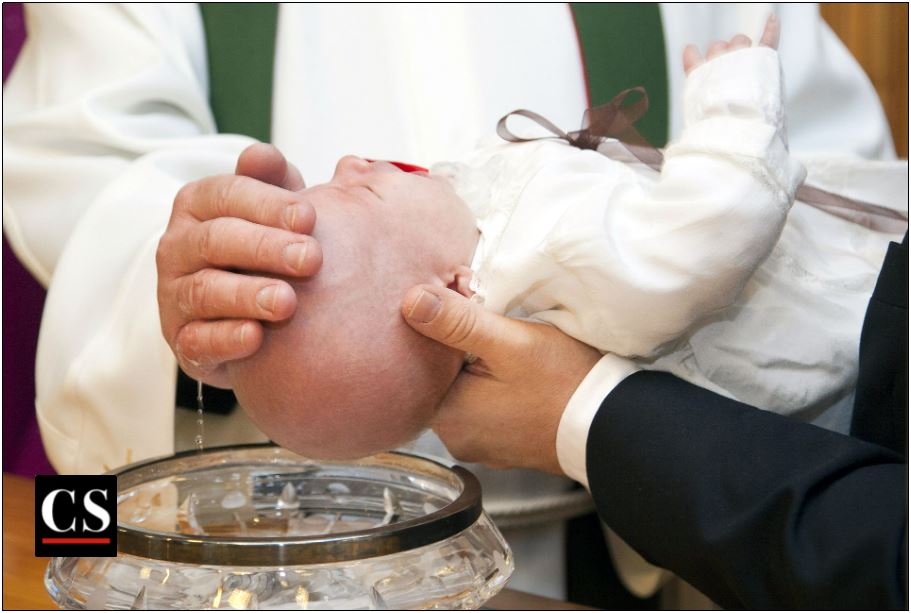
Salvation is the central message of Christian good news. This is shown in ancient inscriptions like the Ichthus (fish), which spell out the claim: Jesus

The Covid-19 Crisis calls for clear thinking but how do we know if we are thinking clearly about Covid-19? How do we know if someone

The essential principles of Christian spirituality are to be found in the teaching of the first Apostles that they received directly from Jesus Christ, It
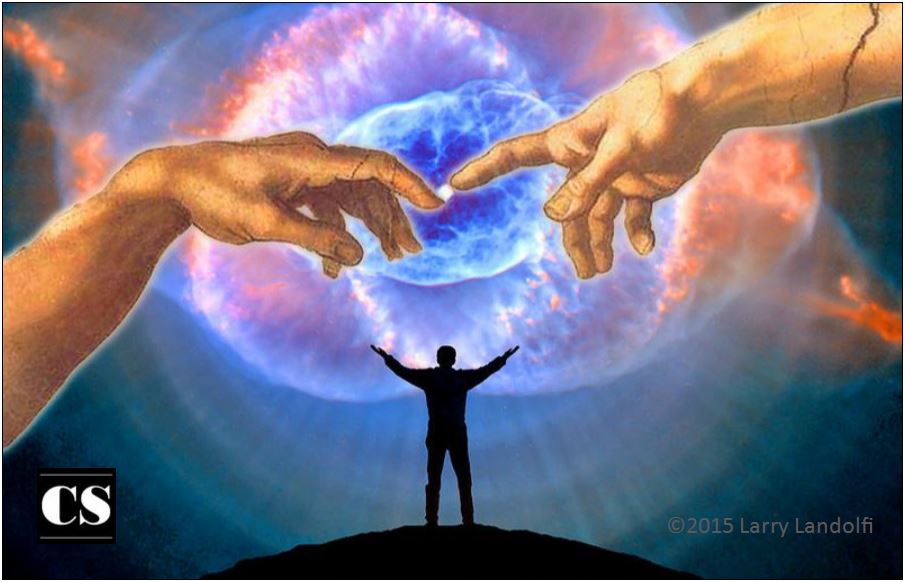
Is it true one cannot be a scientist and a Christian? Some believe it is foolish to believe in God because what we learn from

If Catholics really want to evangelize effectively, they have to meet people where they are. Thomas Aquinas’ Summa Theologiae provides five logical arguments for the

Our twenty-first century world does its best to keep us away from a contemplative life, away from the things of God. It is shiny, sparkly,

Envy, in our modern idiom, is treated almost as a joke, a backhanded way of celebrating our neighbor’s good fortune: “I envy you, brother.” “You

Avarice, one of the seven capital (“deadly”) sins, is more difficult to discern in our society than are Gluttony and Lust — at least, it’s

Gluttony. It’s not a word we commonly hear or read in conversation anymore. We may merely think of it as a “fat-shaming” synonym for overeating.
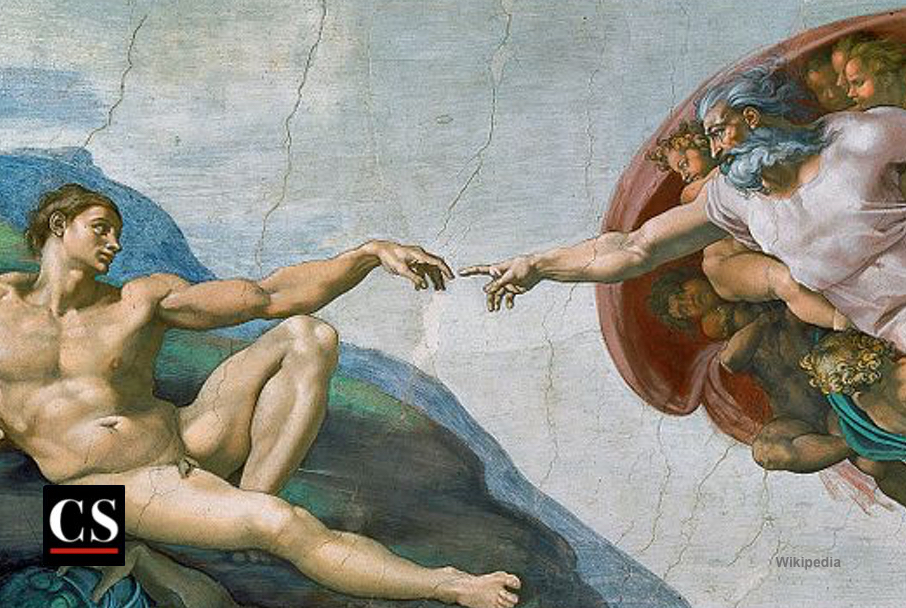
This essay presents the argument for the existence of God from the existence of existentially contingent entities, the entities of our direct experience. The previous
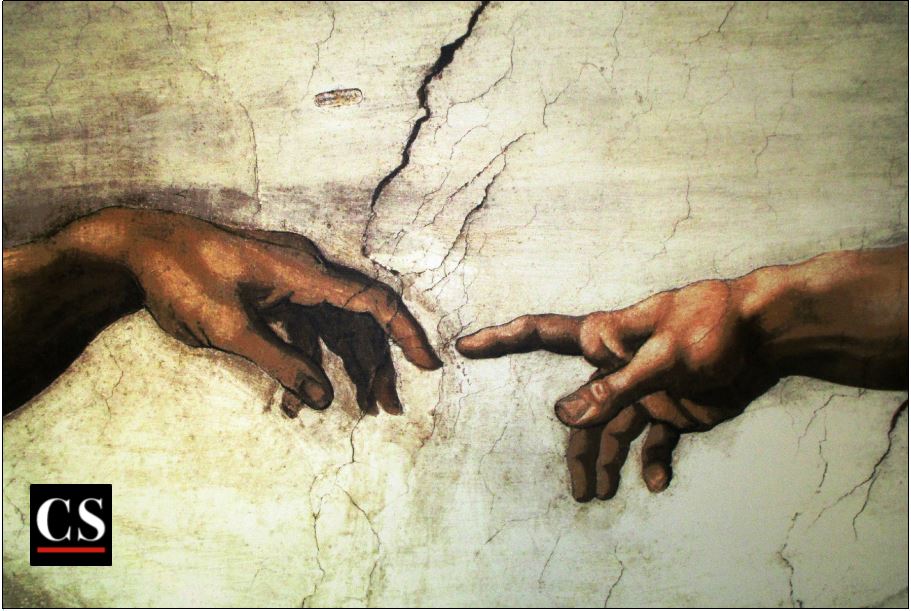
The second way of proving the existence of God by St. Thomas Aquinas is that of efficient causality. It is not just any old efficient
Substantial change, creation, and evolution are commonly acknowledged to be topics in philosophy, theology, and science, respectively. The integration of theology with philosophy within human

This column is the second in a three-part series concerning ethics and human happiness. Restless Hearts In the previous installation of this series, we examined

The Fifth Way – Argument from Governance or Order Just as the Third and Fourth Ways build on the first two Ways, the Fifth of

The Fourth Way — the Argument from Gradation or Degrees of a Quality The Fourth Way to demonstrate the existence of God is from the
The Third Way – The Argument from Necessity Building upon the Argument from Efficient Cause, the Third Way demonstrates that there are things that are
Last month I presented the First Way St. Thomas Aquinas explained the logical existence of God. Here is the Second Way. While this is a

There are any number of reasons to believe that a God exists. But actually proving that God exists is much harder. And once you prove
Lent is here! For many, panic ensues on what one should be giving up for Lent. Chocolates? Facebook? Alcohol? Frequently, I have come up with
Heresy is running rampant in America. At least that’s what the headline on a recent article at The Federalist said. The article, “Survey Finds Most

I can’t believe how often I hear people who call themselves Catholic make explicit statements of unfaithfulness. It usually goes something like: “I love the

It has been the consistent teaching of the Church that the existence of God can be known through nature apart from revelation. “Ever since the
